
Emergency Alert Test Today: No Blackout, Just a Test
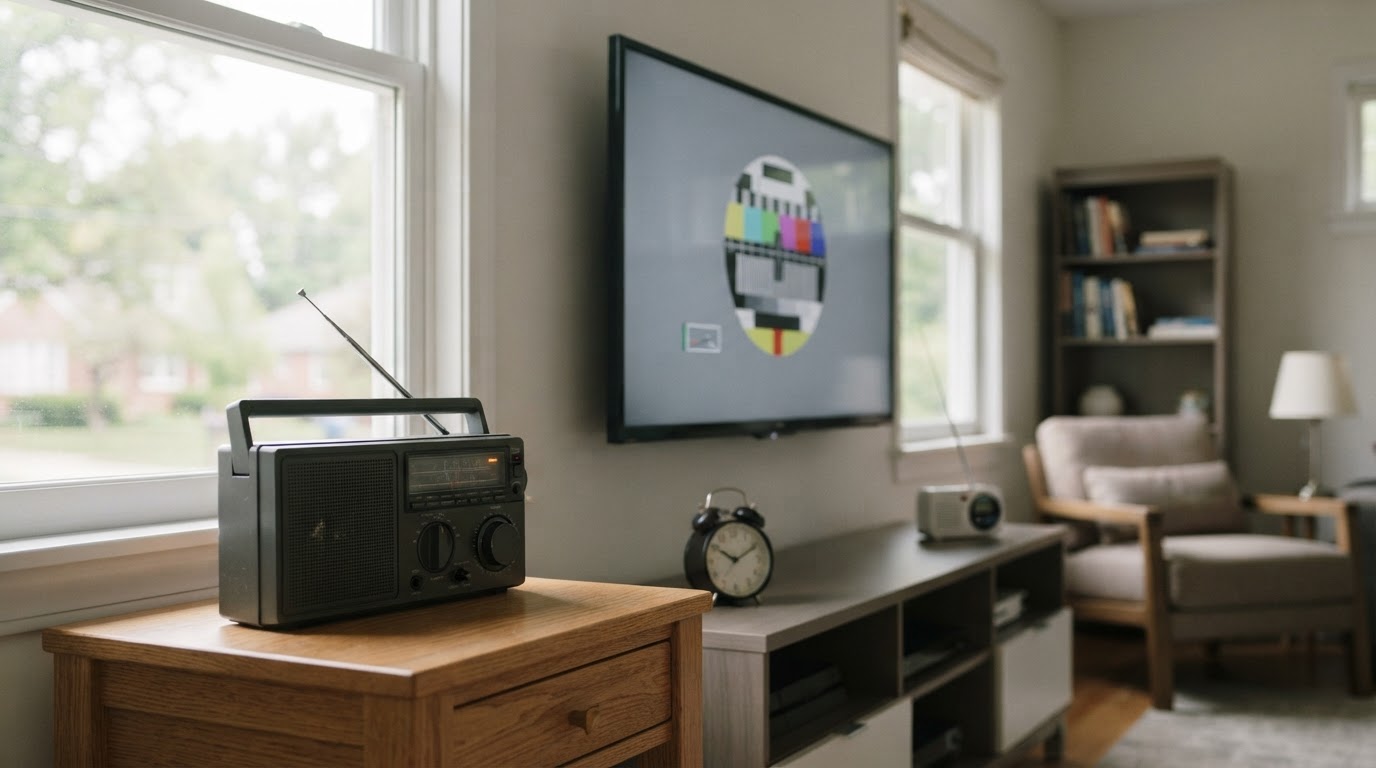
FEMA tests the Emergency Alert System today at 2:20 p.m. ET on radio and TV only. No blackout follows. Use the minute it airs to check alerts, radio, and power.
This article contains affiliate links. If you buy through these links, we may earn a small commission at no extra cost to you.
At about 2:20 p.m. Eastern today, radio and TV stations across the country interrupt programming at the same moment. You will hear the familiar two-tone attention signal, then a voice: "This is a nationwide test of the Emergency Alert System, issued by the Federal Emergency Management Agency. This is only a test. No action is required by the public." It lasts about a minute, then normal programming resumes. FEMA runs the test with the Federal Communications Commission, which requires EAS participants nationwide to take part. Federal law orders a test like this at least once every three years. If a real emergency lands today, the test moves to the backup date, December 3. The National Weather Service notice confirms the time, the radio-and-TV-only plan, and the backup date.
Two things this test is not. It does not reach phones. The 2023 nationwide test lit up cellphones across America, but this one goes out over radio and TV only, and NOAA Weather Radio receivers sit this one out too. And it is not the start of a blackout. Posts across TikTok this week claim a 90-day nationwide blackout begins today, some built around a clipped video that sounds like the president announcing one at a November 9 press conference. PolitiFact traced that clip and found no such announcement in the recording. It rated the blackout claim False. Snopes found no evidence behind any version of it either. The Homeland Security secretary told Fox News on November 15 that Americans do not need to stockpile food and supplies. The one grain of truth is a Pentagon program called FORTRESS America, built to keep military bases running on their own power for 90 days. Bases, not neighborhoods.
The rumor stuck because the last five days handed it material. Three everyday systems failed in public, one after another. Microsoft's email and Teams went dark Thursday afternoon and stayed down nearly 24 hours. Its post-incident report blames a gateway software bug introduced in July, exposed by a routine traffic shift, and states plainly the cause was technical, not a cyberattack (Ars Technica's breakdown covers the report). On Friday the FAA halted every departure in the country for almost five hours over a telecommunications failure (here is what stranded travelers learned). On Monday, Chase customers spent the day watching payments stall over a software bug in the bank's own systems. Each failure got fixed. None was an attack. But stacked end to end, they made "everything is about to break" feel plausible. A Notre Dame technology expert told CBS News the shared theme is that everyday systems are complex and fragile, and trouble in one place ripples through everything connected to it.
Do this while the test airs
The test asks nothing of you. That is what makes it useful: one quiet minute, once every few years, when the whole country thinks about alerts at the same time. Spend it on three checks.
First, confirm alerts can reach you two ways. On your phone, check that government emergency alerts are switched on in notification settings. Then cover the gap this test exposes: it never touches phones, and weather radios sit this one out. A hand-crank weather radio is the second path that works when the grid and the cell network do not. Midland ER310 Emergency Radio The Midland pulls NOAA alerts, charges by crank and solar, and carries a flashlight bright enough to walk a dark hallway. No outlet needed, which is the point. We compare four radios head to head in our emergency radio guide.
Second, charge the battery everything depends on. Alerts only help if the phone is alive to display them. Top up a power bank today and leave it full. Anker Power Bank 10,000mAh USB-C Anker's 10,000 mAh bank runs about $25.99 and holds a couple of full phone charges. A dead power bank is a paperweight. A full one is a second evening of light, maps, and messages.
Third, say the plan out loud. Maryland's emergency management office used this week's test to nudge residents toward the unglamorous basics: keep phone alerts enabled, sign up for county text systems, review the family emergency plan, and keep more than one way to get warnings, including local TV and radio. Pick your two methods, tell the people you live with, and write the out-of-town contact number on paper. Thirty seconds of conversation beats a perfect plan nobody has heard.
Do this before the week is out
If the blackout posts rattled you, spend that worry where it pays. Real grid-down preparation looks nothing like panic buying. Our solar-storm guide walks through what an actual long outage demands: food that needs no fridge, water, light, and a way to hear news. Keep some cash where you can grab it. Monday's bank glitch was a reminder that cards and apps can stall while the register still takes bills. And if you want the unfiltered version of outage life, one writer's five-day diary covers what mattered, what it cost, and what it weighed.
The test ends in a minute and the stations go back to their shows. Nothing follows it except the December backup date, and only if today gets preempted. The honest version of the viral warning is this: no blackout is scheduled, but the systems you rely on failed three times in five days, each in daylight, each fixed by evening. Check your alerts while the tones play. That is the whole assignment.