
Category
Home Safety
Fire extinguishers, smoke and CO alarms, escape plans, and hardening the house itself
The bare minimum for home safety
The most likely home disaster isn't exotic — it's fire, carbon monoxide, or a fall down dark stairs. These are the unglamorous basics that actually save lives.
0 of 6 ready
Bare minimum, not the full kit — the guides below cover the rest. Prices and availability change; the linked picks show current details.
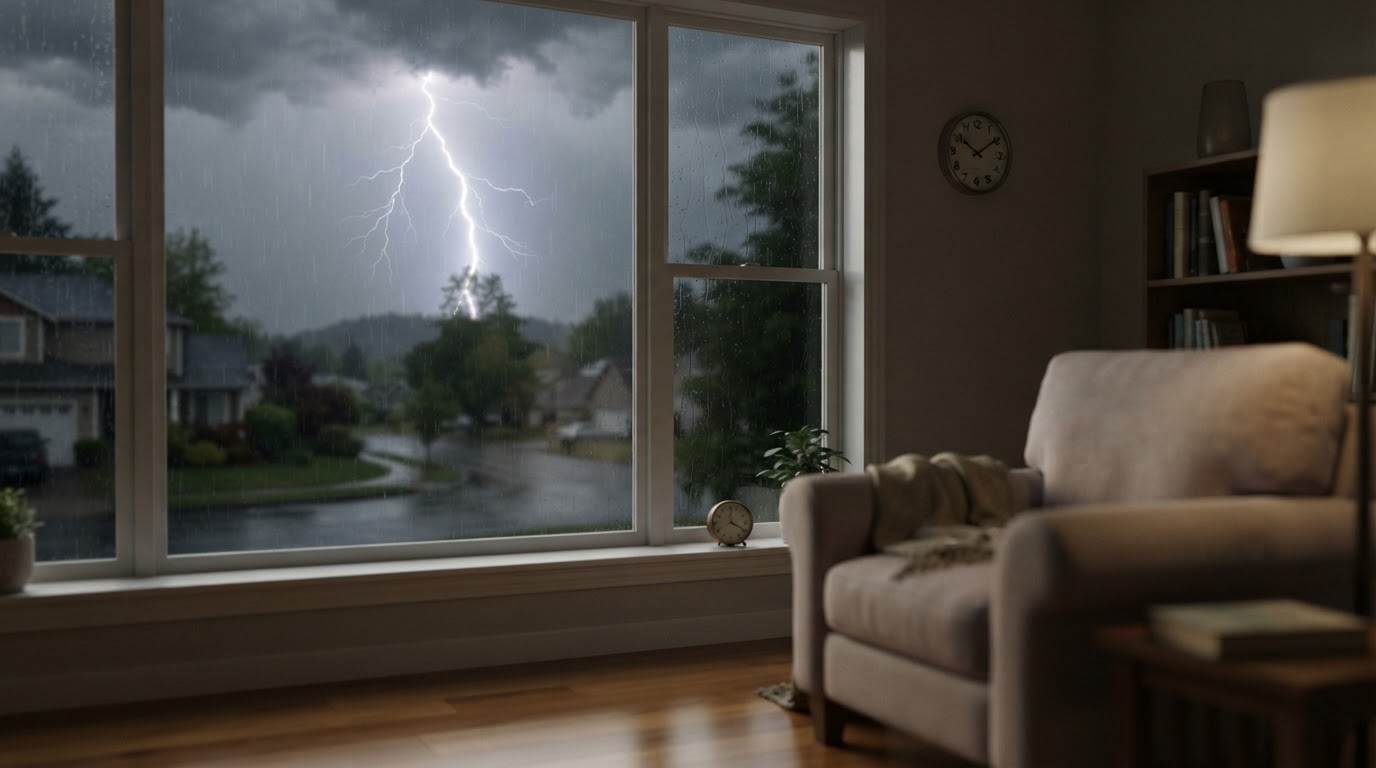
When Thunder Roars, Go Indoors: A Practical Lightning Safety Guide
Lightning kills about 20 Americans a year, most before or after the storm peaks. Rules that work: go inside at the first rumble, wait 30 minutes, unplug early.
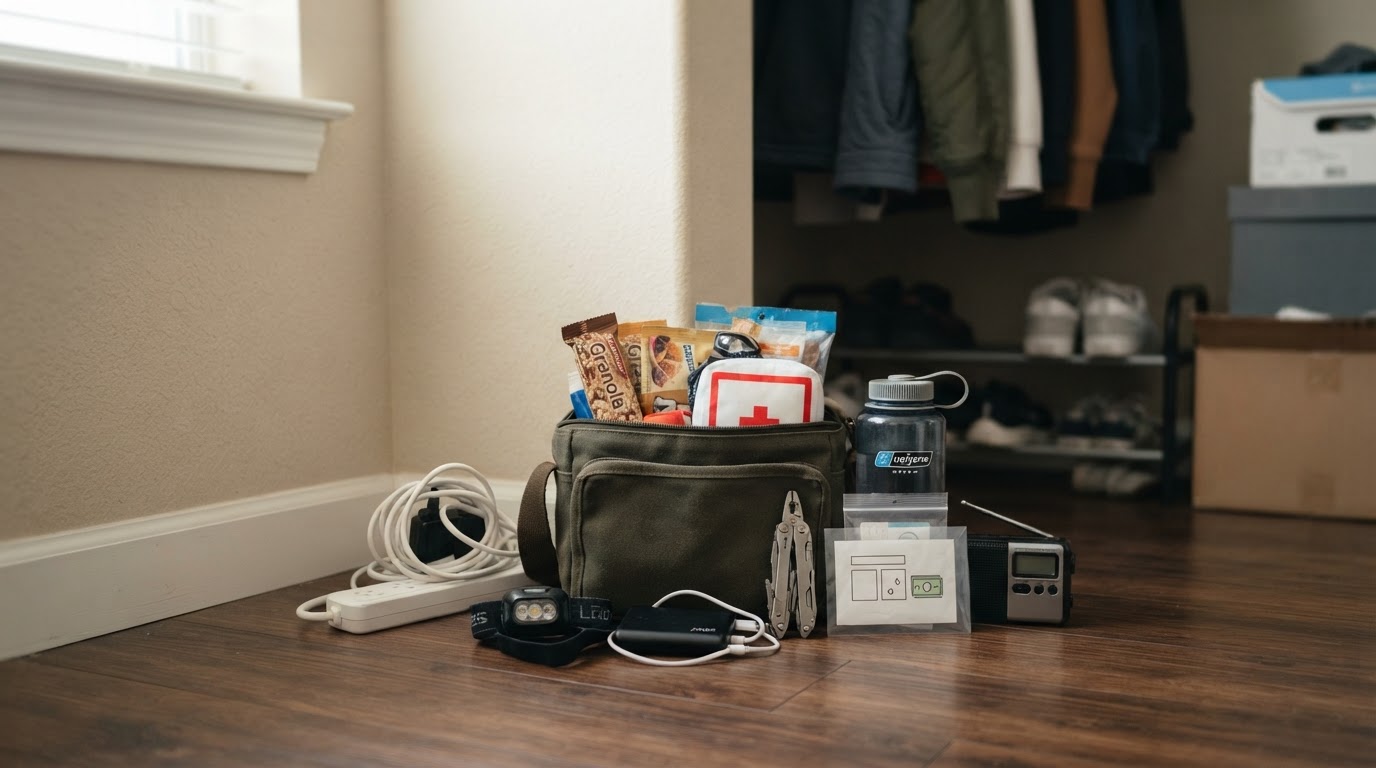
The Dorm Emergency Kit: What College Students Actually Need
A dorm emergency kit that fits in a closet corner: surge strip, power bank, headlamp, documents, water, and snacks, plus the fire habits that matter most.
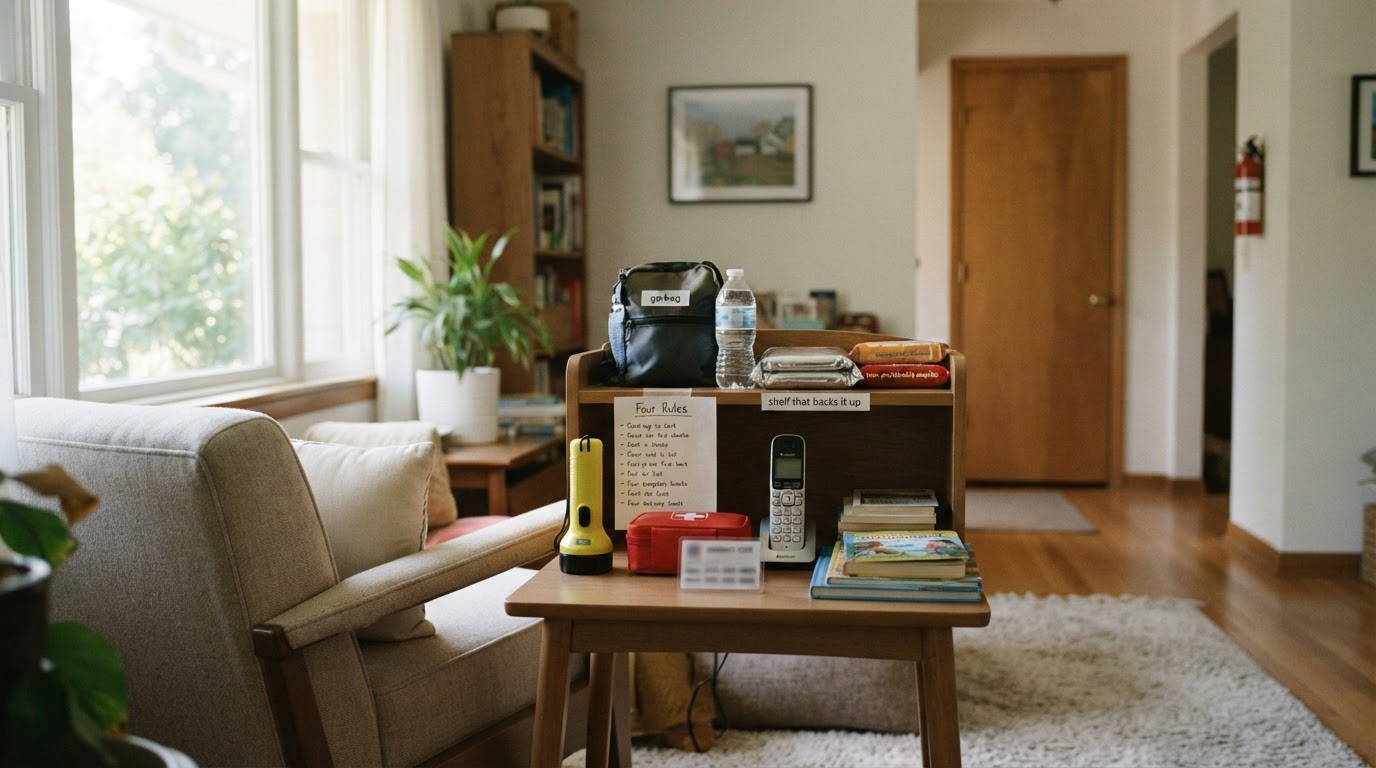
Home Alone in an Emergency: What School-Age Kids Should Know
Kids home alone need four rules, not a binder: the door, the fire drill, the outage spot, the call order. The 20-minute drill plus the shelf that backs it up.
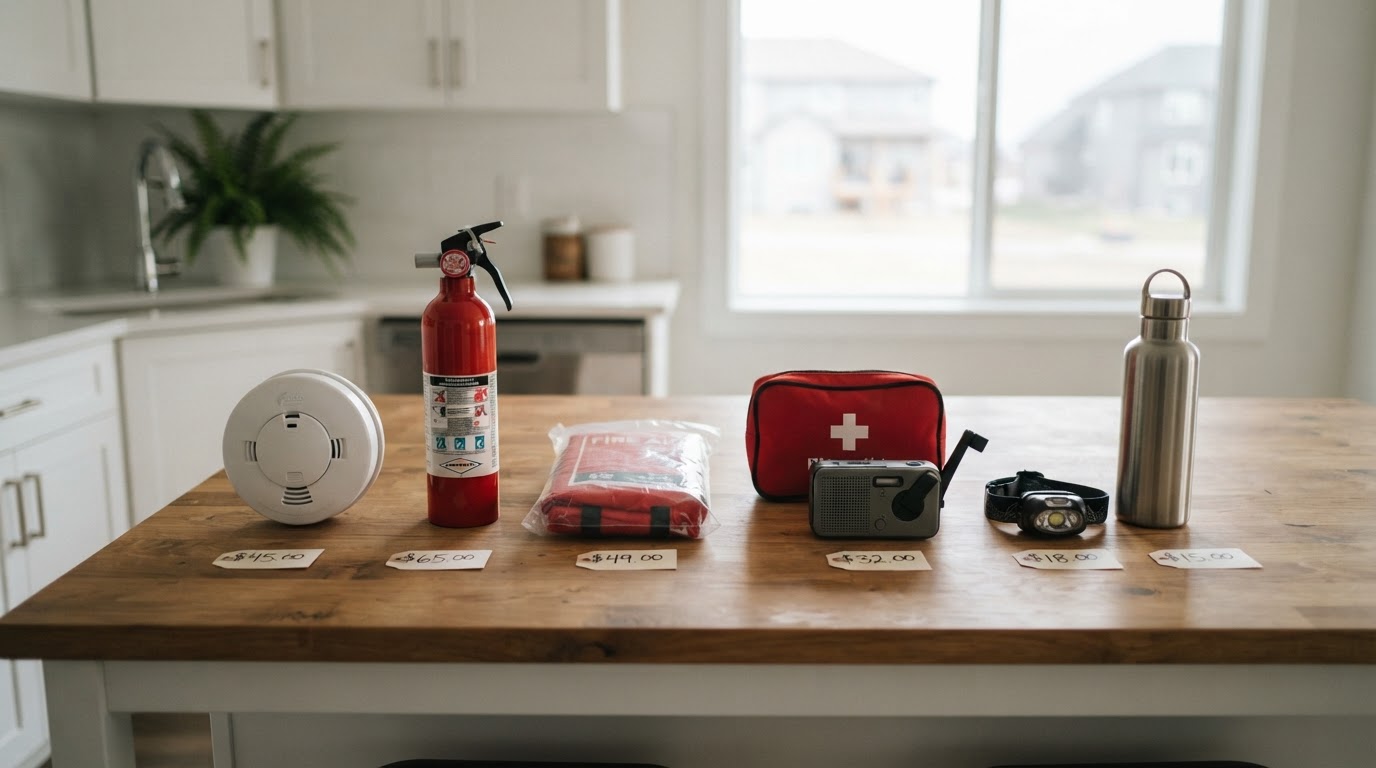
New-Homeowner Safety Gifts That Get Installed, Not Shelved (2026)
Safety gifts for a first home or rental that get mounted the same weekend: CO alarm, extinguisher set, fire blanket and more, each with a real price attached.
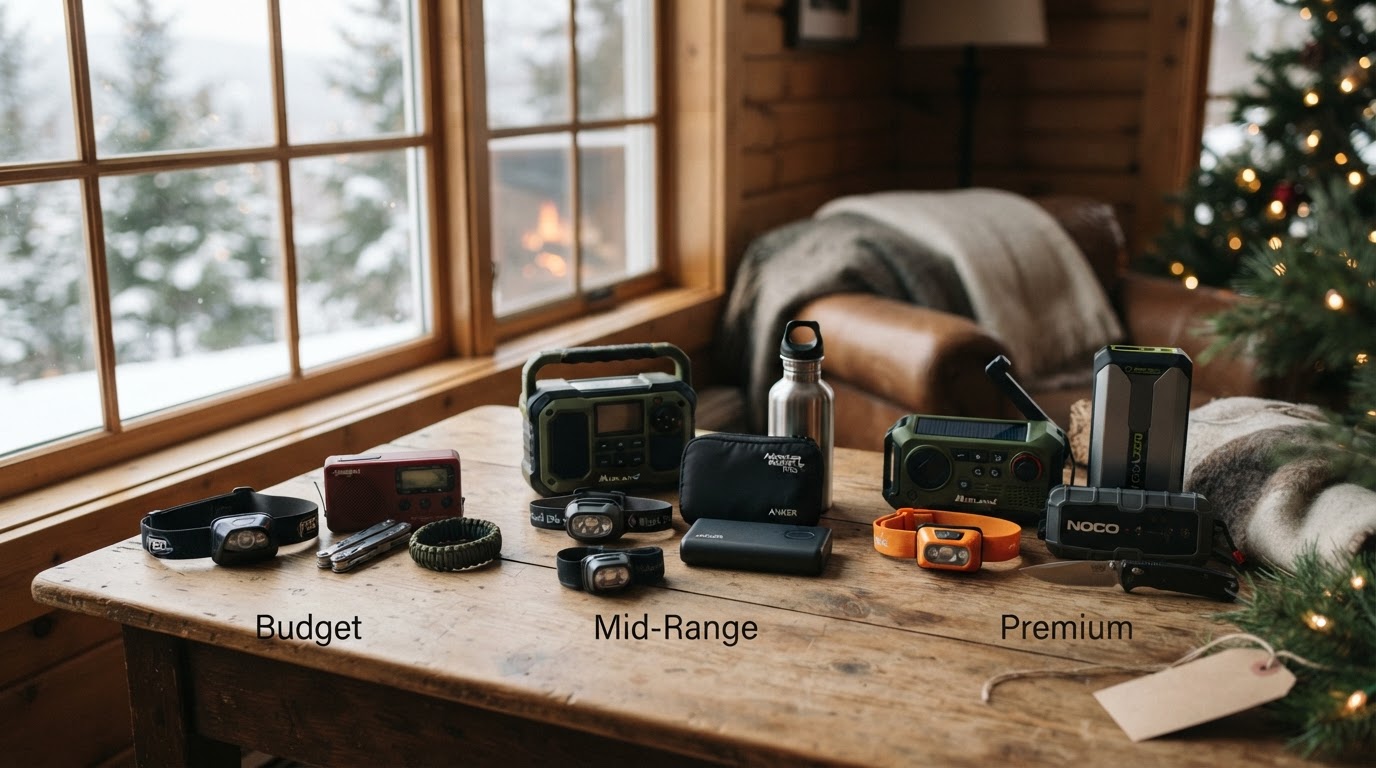
Practical Holiday Gifts for Preparedness-Minded People (2026)
Nine holiday gifts people actually use: headlamps, radios, power banks and car-kit gear in three budget tiers, each with a real price and who it suits.
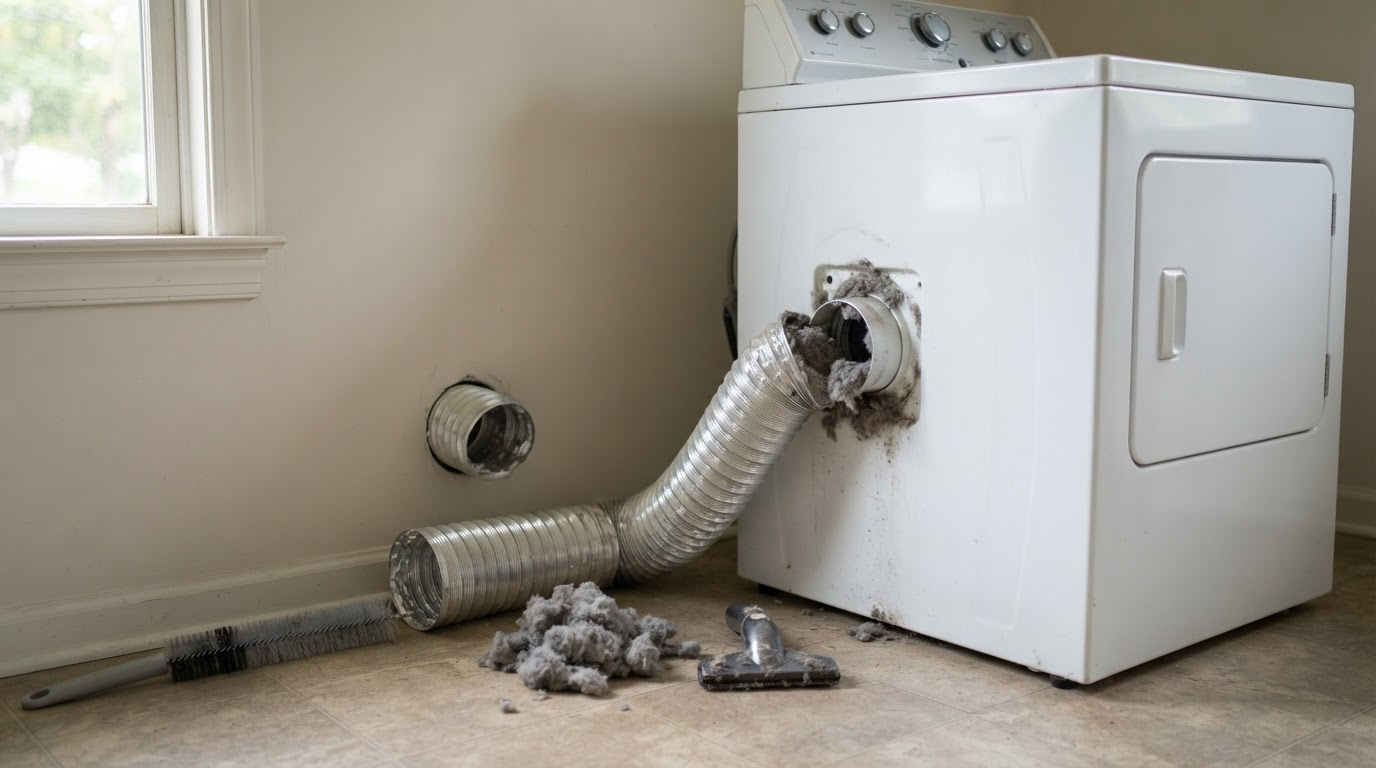
Dryer Fires Start in the Vent: Cleaning, Warning Signs, and What to Do
Dryers cause about 2,900 U.S. home fires a year, per the U.S. Fire Administration. The every-load lint habit, the yearly vent cleaning, and when to stop.
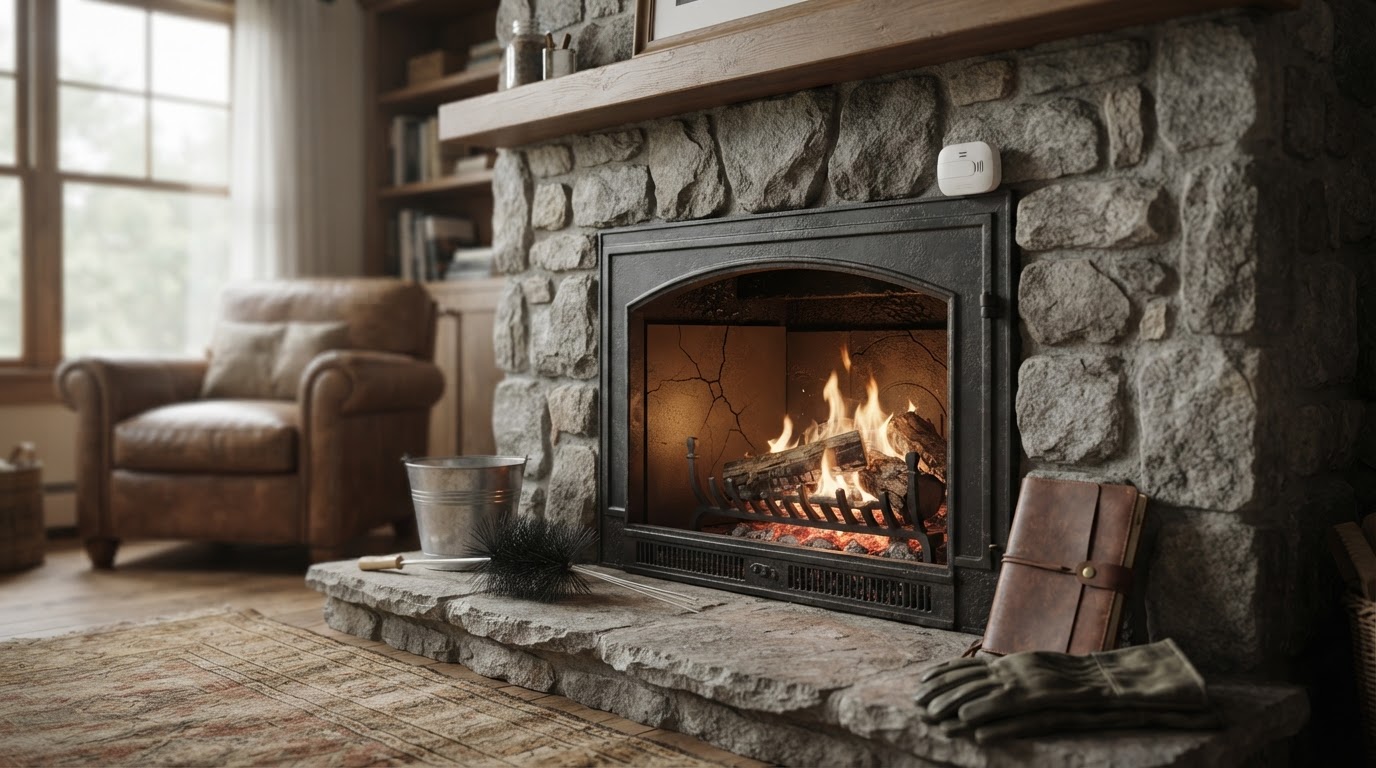
Chimney Fires: Warning Signs and What to Do
Chimney fires often burn undetected until they crack tile and mortar. The creosote warning signs, the yearly inspection, and what to do when one starts.
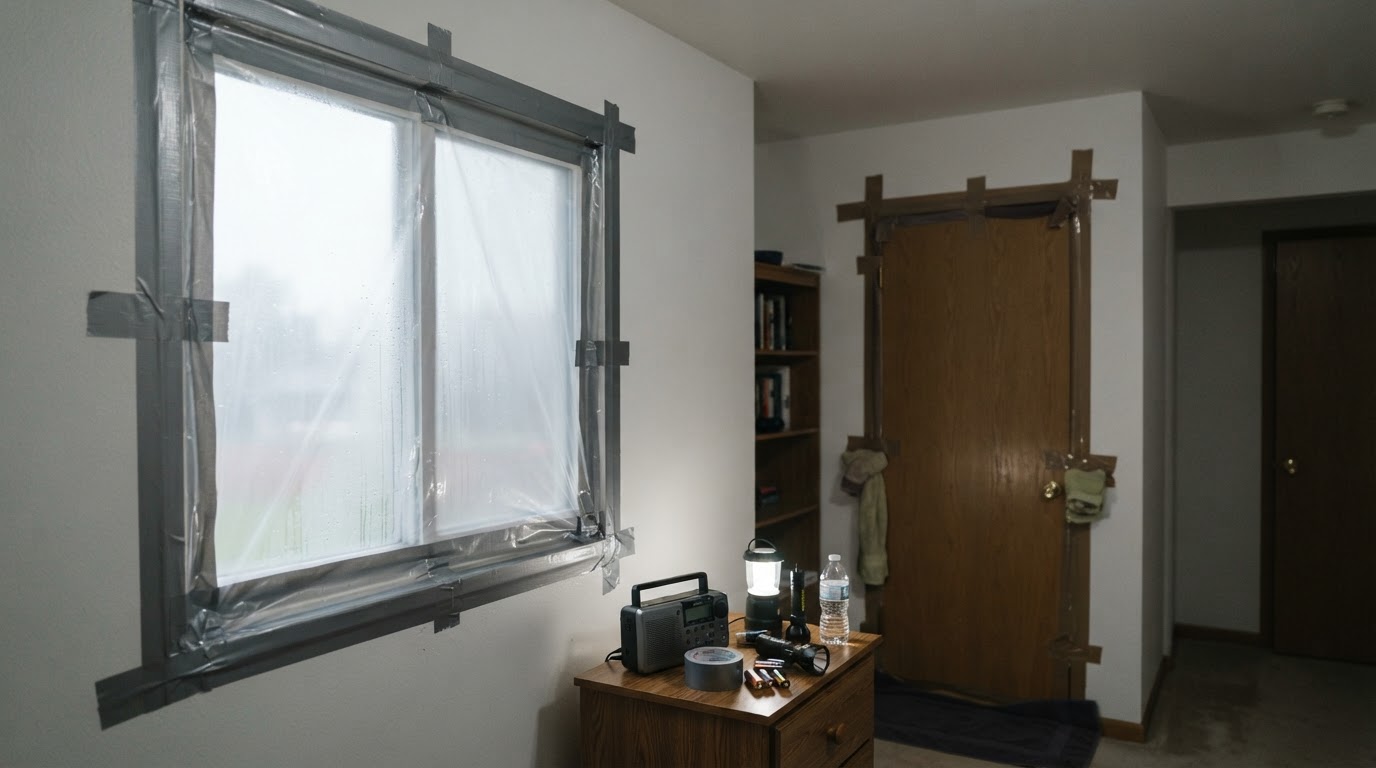
What to Do in a Chemical Emergency: Get Inside, Seal a Room, Wait for the All-Clear
A chemical release near you: when to shelter in place and when to evacuate, how to seal one room against the outside air, and what to do if you were exposed.
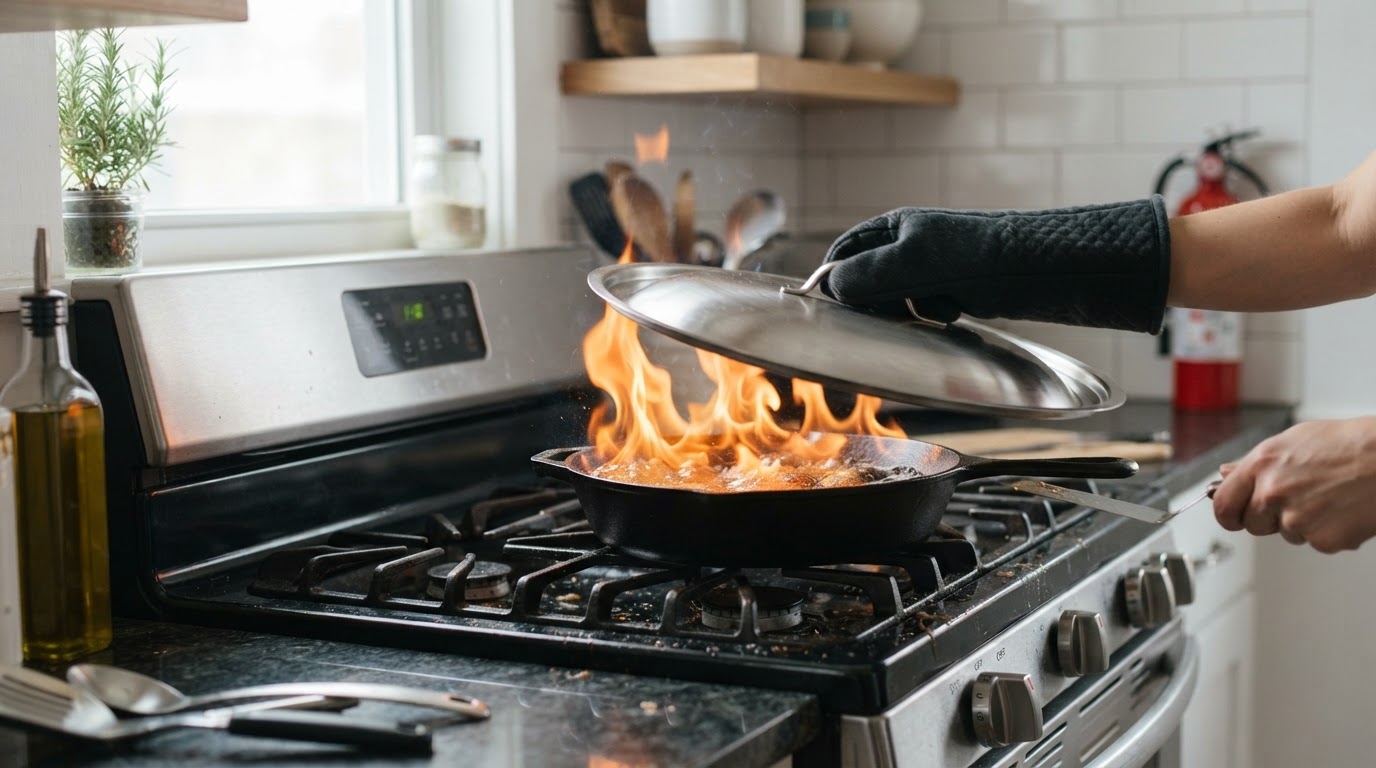
How to Put Out a Grease Fire Without Making It Worse
Turn off the burner, slide a metal lid over the pan, and never reach for water. What actually ends a grease fire, what makes it explode, and when to leave.
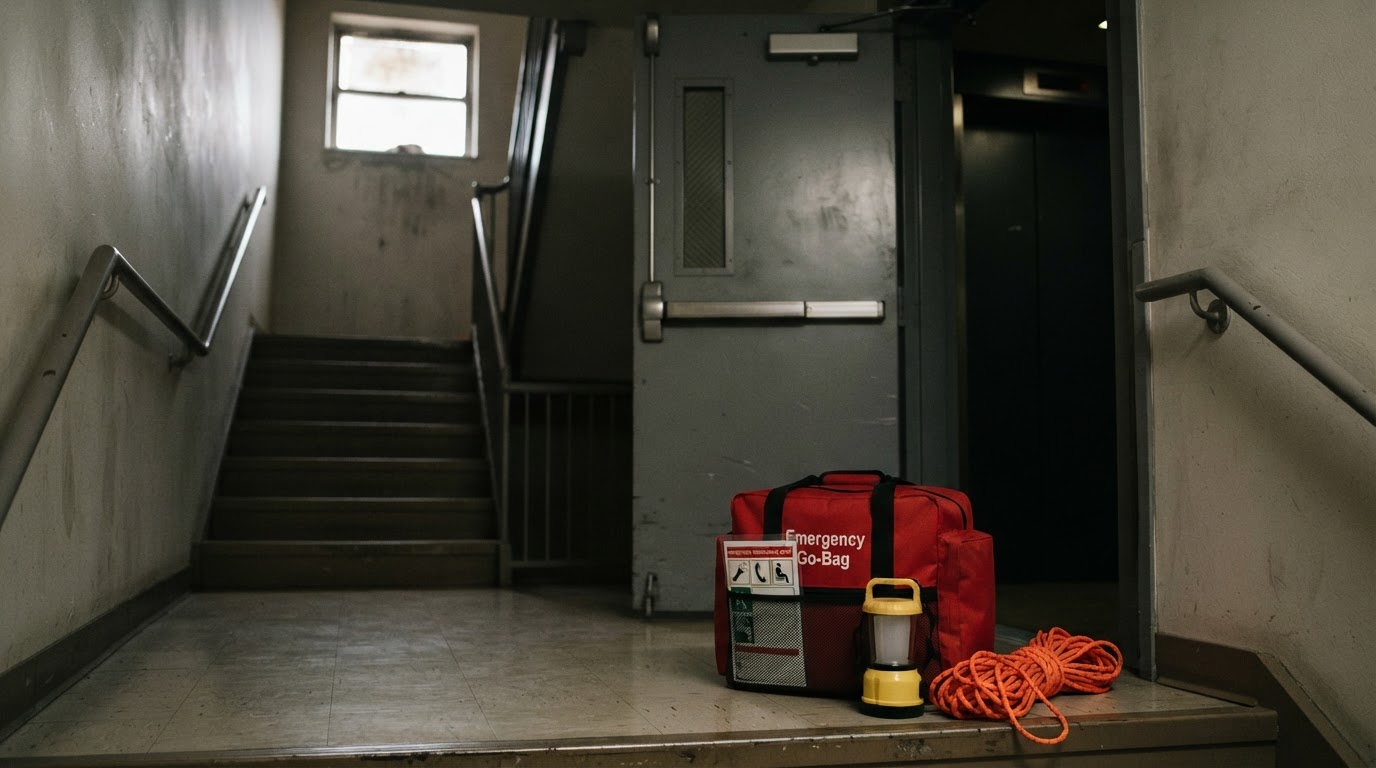
Stuck in an Elevator and High-Rise Emergencies: What to Do When the Power Fails
If the power fails while you are in an elevator, stay put: the car is safe and rescuers are coming. Plus the high-rise water failure nobody plans for.
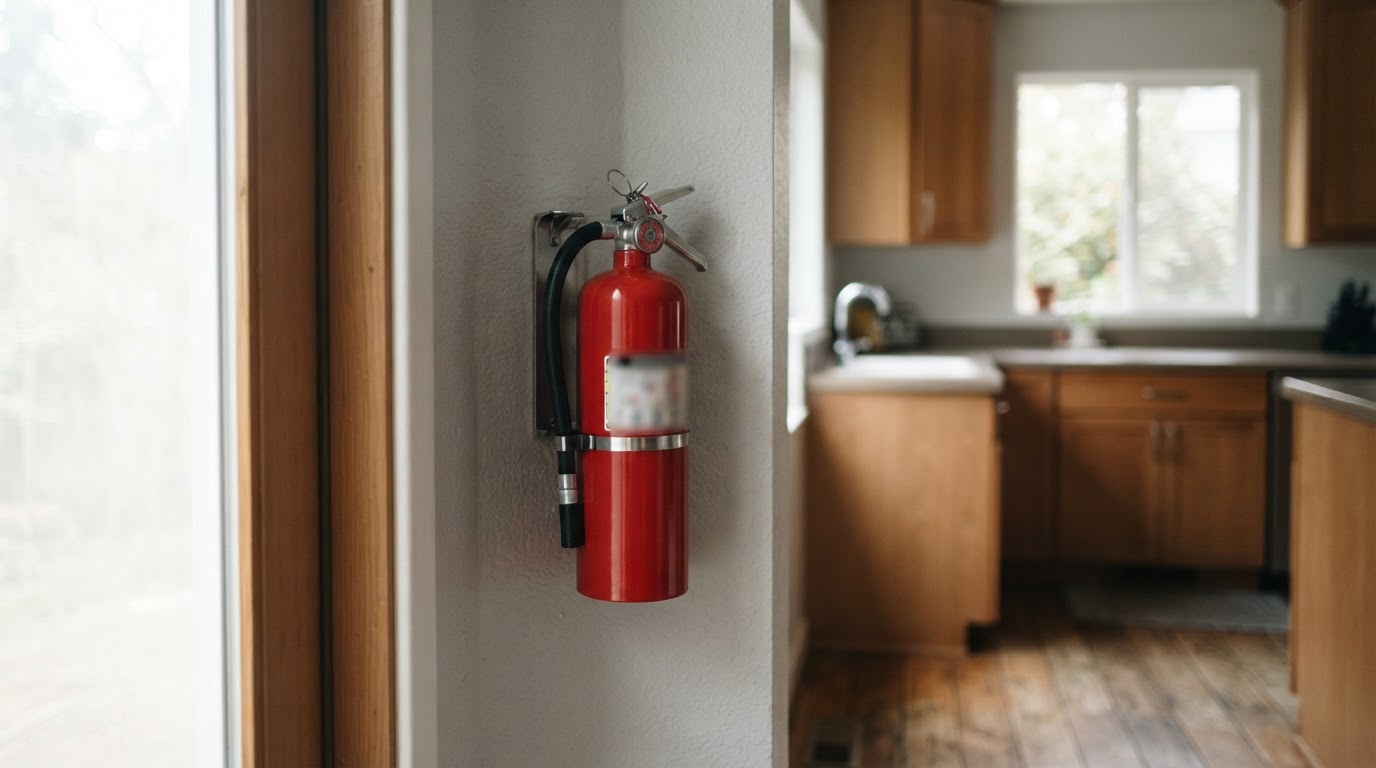
How to Use a Fire Extinguisher: PASS, Classes, and When to Get Out (2026)
How to use a fire extinguisher: the PASS technique, what the A-B-C class ratings mean, where to mount one, and when to fight a small fire or walk away.
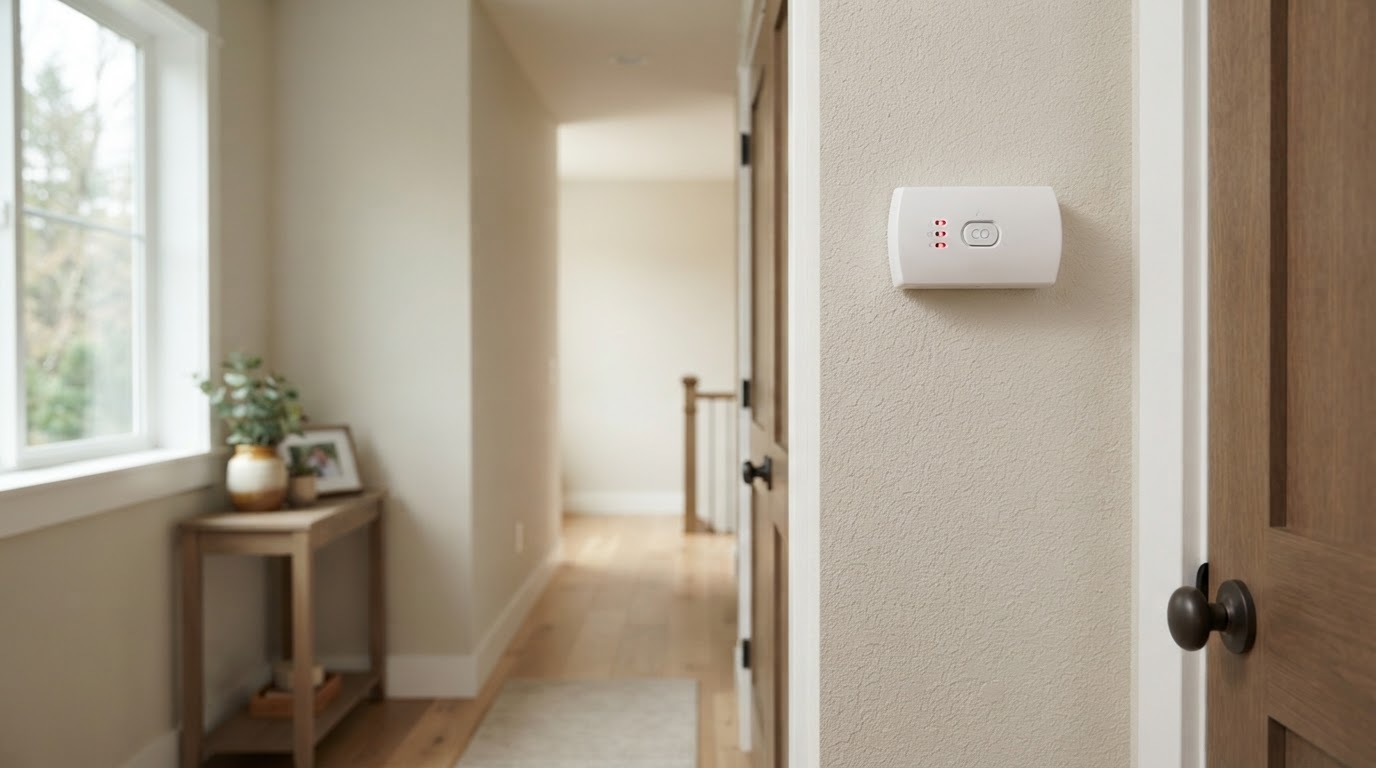
Where to Place Carbon Monoxide Detectors: 5 Rules (2026)
Where to place carbon monoxide detectors: one per floor, outside sleeping areas, and at the maker's appliance setback. Five safe, practical rules for 2026.
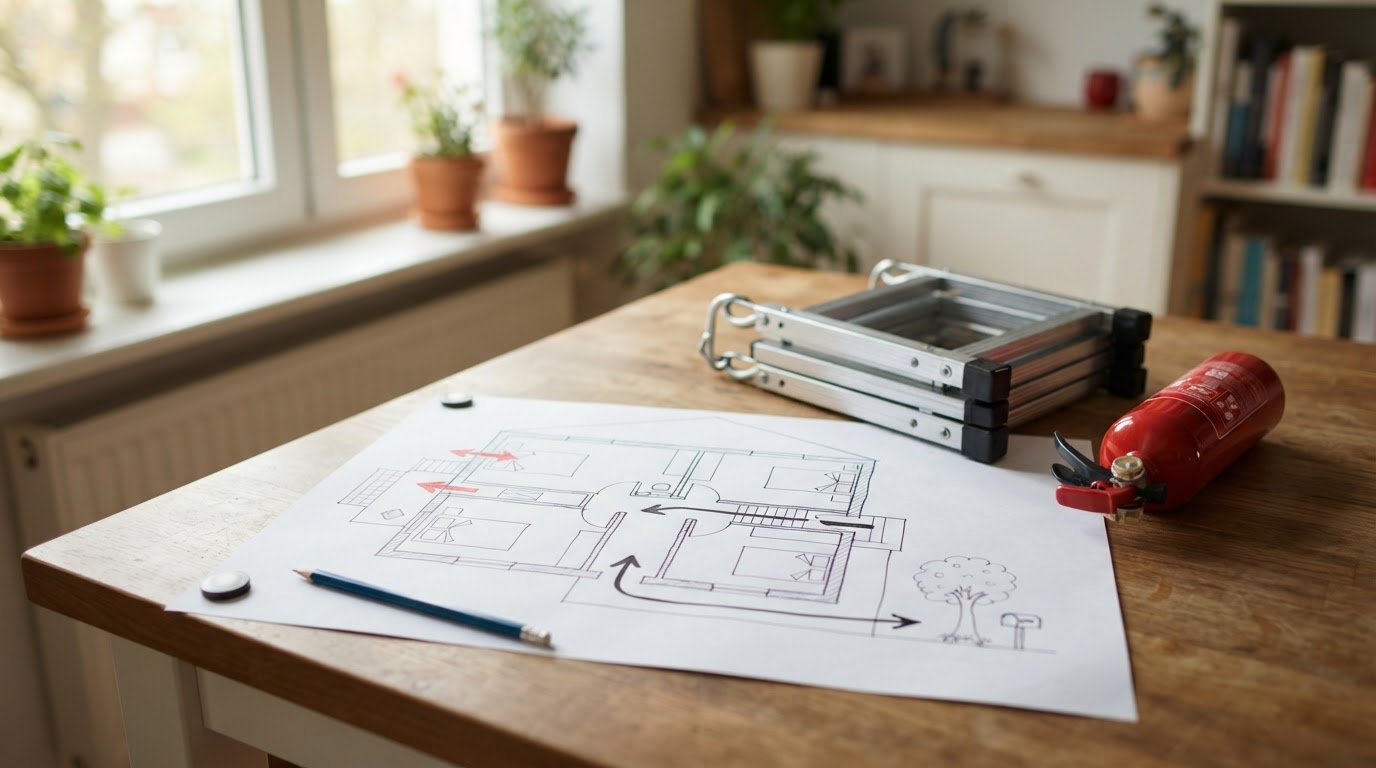
Home Fire Escape Plan: Draw the Floorplan, Pick Two Exits, Set a Meeting Spot
A home fire escape plan on one sheet: two exits per bedroom, a specific meeting spot, a 2-minute drill, and a 2-story escape ladder for the second-floor room.