
USDA Cyberattack Freezes Farm Payments
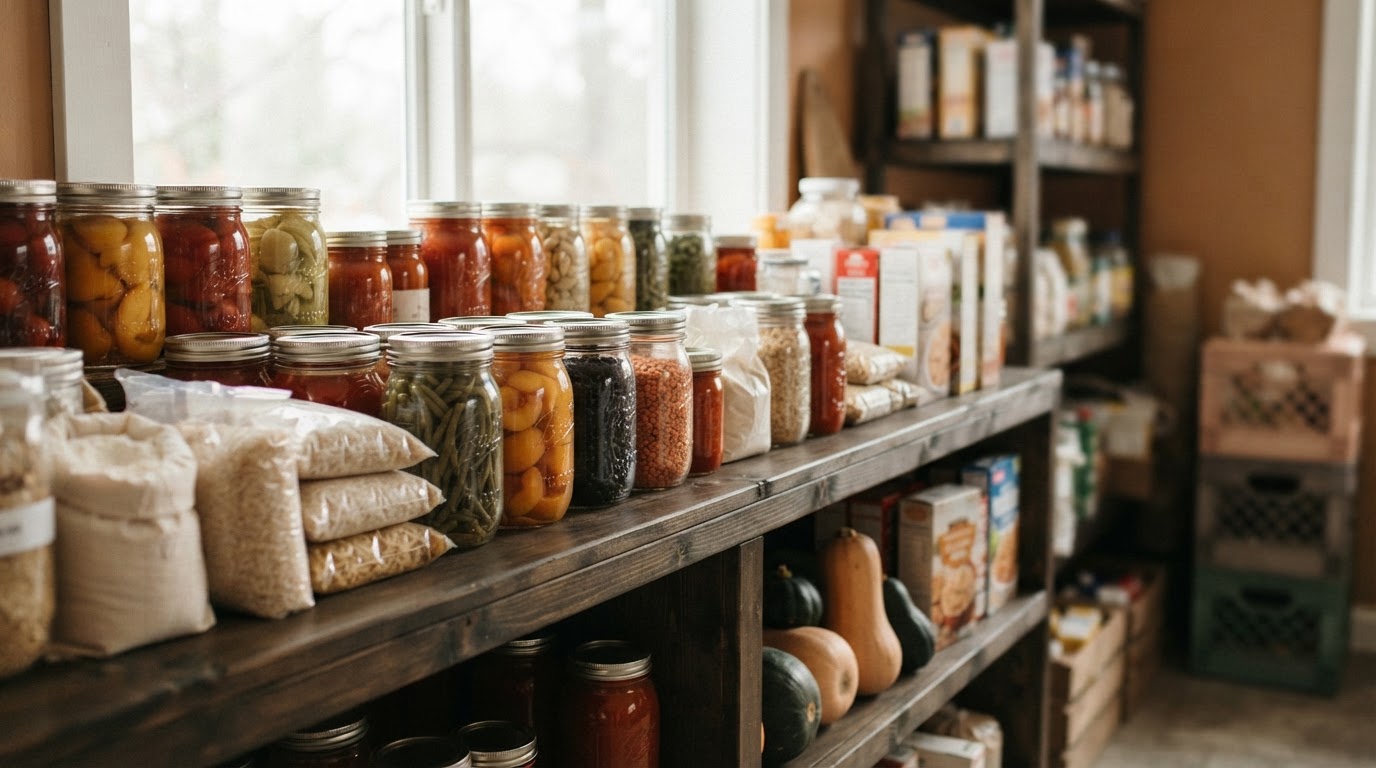
Hackers breached USDA payment systems, freezing farm loans before Thanksgiving. A GAO report says food-sector cyber defenses lag. Ready your pantry now.
This article contains affiliate links. If you buy through these links, we may earn a small commission at no extra cost to you.
On Thursday, November 20, NBC News reported that hackers had breached a Department of Agriculture system that moves payments to farmers. Agency staff were told the same day, according to two former officials familiar with the matter. It is the first incident in the current wave of American tech failures that sources blame on an outside intruder rather than a botched upgrade. One day earlier, the federal watchdog had published a report saying the food and agriculture sector is not ready for exactly this kind of attack.
What broke, and when
The trouble started Monday, November 16. The department's Cybersecurity and Privacy Operations Center uncovered a security incident, and the acting assistant chief information officer for the Farm Production and Conservation Business Center ordered a reset of every database password in every environment, according to an internal email viewed by Nextgov/FCW. Restarting everything meant taking it down first. Geographic information system mapping, payment, and contracting tools went offline, along with many of the financial applications the Farm Service Agency uses for crop insurance, disaster relief, loans, and aid.
By Friday the outage was in its fifth day. A technical bulletin said applications could keep flickering through the week. The Farm Service Agency signup for ARC and PLC commodity programs, which closes December 11, sat stalled while the clock ran. Richard Fordyce, the undersecretary for farm production and conservation, told reporters the incident was a "cyberthreat" and not a software update, and that most systems should be back by close of business Friday, with weekend work if needed, AgWeb reported. Fordyce said no data was lost. Who got in and whether anything was taken remain open questions.
The timing is rough. The Iowa Farmers Union said in a statement that growers are selling grain and livestock, making loan payments, and closing their books for the year, and asked the department to explain what happened, what information may have been reached, and when farmers can send and receive payments again.
The watchdog warning landed the same week
On November 19 the Government Accountability Office published GAO-27-108656, a review of cybersecurity across the food and agriculture sector, one of the nation's 16 critical infrastructure sectors. The findings are blunt. USDA and the Food and Drug Administration have met most of the 16 requirements Congress set in fiscal 2021, but five remain only partly met or unmet, all in information sharing and emergency preparedness. Neither agency feeds threat data to the federal cyber agency continuously. Neither has run a sector-wide cyber exercise. The FDA has not finished coordinated response plans for a food-sector cyber emergency.
Both agencies told auditors the same thing: not enough staff or money. USDA's homeland security office has nobody assigned full time and no dedicated funding for its sector risk duties. The report carries five open recommendations, two for USDA and three for health authorities.
Auditors cited precedent, not theory. A 2021 ransomware attack on a global meat processor shut some of the world's largest slaughterhouses and left meat short in the United States and abroad. Industry tracking cited in coverage of the report counts ransomware cases in the sector climbing from 167 in 2023 to 295 in 2025.
Why this one is different
Last week Washington spent real effort calming the country down. After the Microsoft email outage, the FAA's nationwide ground stop, bank login failures, and the Apple cloud outage, intelligence leaders told the public November 18 there was zero evidence of hacker or state involvement in any of them. Rushed patches and aging gear, not enemies. Our verdict guide covered that conclusion in full.
The USDA breach does not fit that verdict. It postdates it, and its cause is an intruder, not a patch window. Upgrade outages cluster and pass. Adversaries probe, learn, and return, which is why the missing exercises and unwritten response plans in the GAO report should bother you more than any single week of downtime.
Who feels it
Farmers feel it first and hardest: loans, insurance, disaster aid, and program signups with a December deadline. Shoppers feel it secondhand, if at all, through slower paperwork upstream rather than empty shelves. Nobody has reported unsafe food tied to this incident. The systems that inspect food are not the systems that went dark.
This weekend: three things worth doing
Check the pantry against a two-week outage, not a two-day one. Our food and water storage guide sizes the water math and the calorie floor. If you find gaps, close them with shelf-stable food you already eat, then rotate it. Bulk rice, beans, and oats are the cheapest depth per dollar, and our bulk staples guide covers storage life and rotation order.
Augason Farms 30-Day Emergency Food Supply Kit
A packed 30-day kit is the fast version of the same answer. Augason Farms' 30-day kit runs about $182.99 and stacks in a closet without any rotation schedule to manage. It does not replace food you eat daily, but it sets a floor under any supply hiccup while you build the slower habit.
Put your critical records where no portal can lock them out. The farmers locked out of loan paperwork this week are living the lesson our cyberattack guide teaches: copy IDs, prescriptions, insurance cards, account numbers, and benefit letters onto paper and a drive you control. Ready.gov's planning page gives the same advice from the official side.
Samsung BAR Plus 128GB USB 3.1 Flash Drive
A small encrypted USB drive holds the whole binder. Samsung's BAR Plus 128GB stick runs about $39.99, survives a keychain, and plugs into any computer or printer when the cloud login says no. Refresh it once a season and you stop caring which portal is down this week.
This month: make the next one boring
Then automate the boring parts. Monthly offline backup, quarterly printed refresh, pantry check each season. You cannot fix the sector. You can make your household indifferent to its bad weeks, one shelf and one printout at a time.
Frequently asked questions
Is the food supply safe right now?
No food safety impact has been reported. The breach hit payment, mapping, and contracting systems, not food inspection. The risk is financial and administrative: delayed loans and aid at a critical point in the farm year.
Will this raise grocery prices before Thanksgiving?
Nothing in the reporting points to store shelves going empty next week. The direct damage is delayed farm payments and stalled loan signups. A working pantry still covers you if any single disruption ripples further.
How is this different from last week’s outages?
Officials said the Microsoft, FAA, bank, and Apple failures came from rushed upgrades, not hackers. The USDA incident is the first in this wave that sources attribute to an outside actor breaching agency systems.