
Spartanburg Boil Order: 240,000 Told to Boil Tap Water
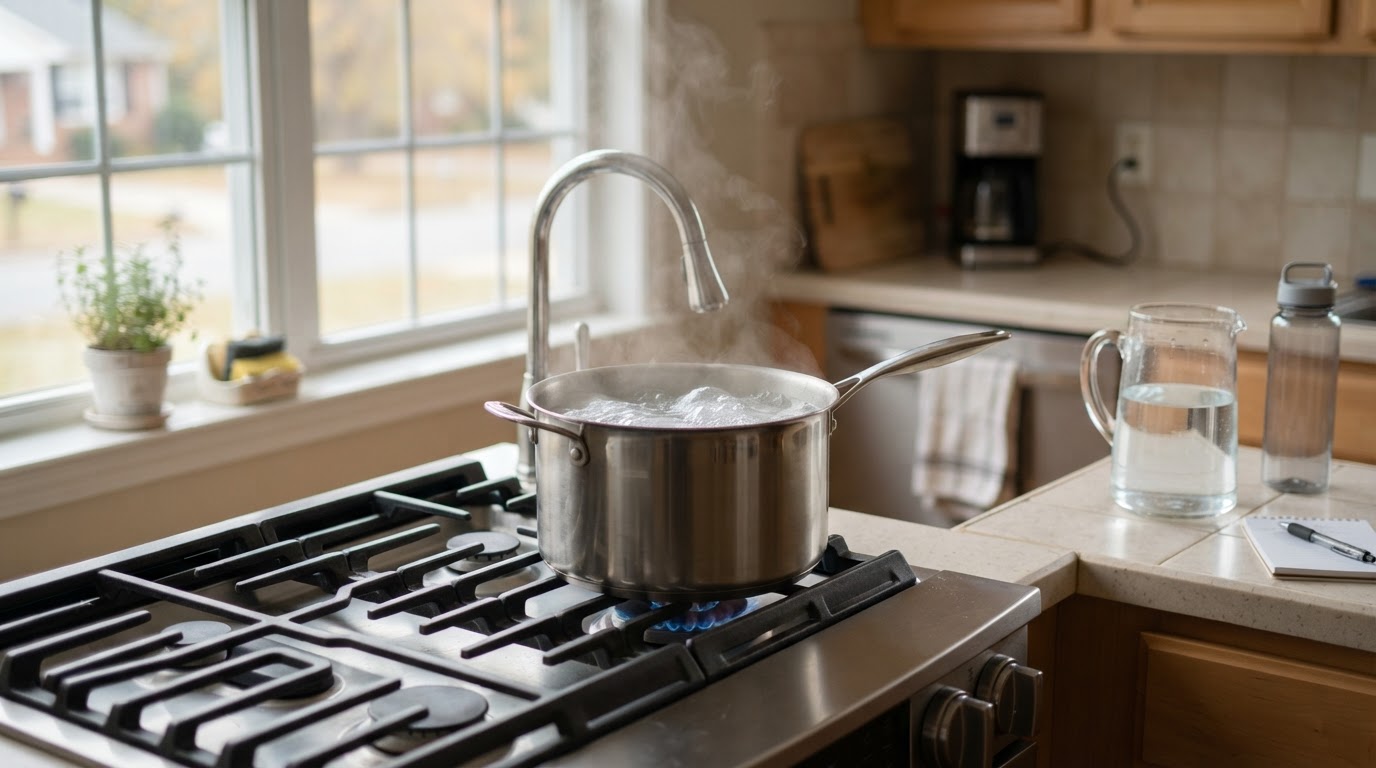
Spartanburg Water issued a systemwide boil advisory Nov 18 after pressure loss hit 240,000 customers. Schools dismissed early. Boil tap water one full minute.
This article contains affiliate links. If you buy through these links, we may earn a small commission at no extra cost to you.
Spartanburg Water put its whole main system under a boil water advisory on the morning of November 18 after a significant loss of pressure and service across the distribution network. The order covers all customers on the main Spartanburg Water system except Landrum, which runs on a separate supply. The utility says there is no confirmed contamination. It is precautionary, and it stays in effect until further notice.
The scale is what makes this one matter. The Post and Courier reports the system serves nearly 240,000 customers. When pressure drops across a network that size, groundwater can seep in through small leaks that stay sealed while pipes hold pressure. That is why utilities issue the advisory first and test second. Read the utility's own advisory notice for the current status before you drink from the tap.
Schools felt it within hours. Spartanburg County districts 1, 2, 3, 6, and 7 sent students home early on November 18, with elementary dismissals around 11:30 a.m. to noon, middle schools around 12:30 p.m., and high schools around 1 p.m., according to WYFF's district-by-district rundown. District 3 canceled all after-school programs, activities, and athletic events. District 5 stayed on normal schedule because it does not use Spartanburg Water. Landrum schools were excluded from the advisory.
Who is affected
Anyone who gets tap water from the main Spartanburg Water system is under the advisory. That is most of Spartanburg County plus customers in parts of neighboring counties the utility serves. If you are in Landrum or in District 5 schools, you are outside it. If you are unsure which system feeds your address, act as if you are under it until the utility or your school district says otherwise.
Pressure loss is the trigger, not a positive bacteria test. The utility's notice uses the standard language: significant loss of pressure or service, no confirmed contamination, boil as a precaution. That distinction does not change what you do. Until bacteriological testing clears the system, treat every glass from the tap as if it carries pathogens.
People on wells outside the system are not under this order, but the same morning is a good prompt to check your own backup. If you have stored water, this is the week it earns its shelf space.
What to do right now
Boil everything you drink or cook with. Bring tap water to a vigorous rolling boil and hold it there for one full minute, then let it cool before use. That is the CDC's rule for elevations under 6,500 feet, and Spartanburg sits far below that line. Use boiled or bottled water for drinking, cooking, brushing teeth, washing fruits and vegetables, making coffee and tea, mixing infant formula, and filling pet bowls. Throw out ice made after the pressure dropped and make new ice only from boiled or bottled water. The CDC's boil water advisory page lists the same steps.
You do not need to boil water for laundry or showers. Skin contact is low risk for healthy adults as long as you do not swallow water, so keep showers short, keep your mouth closed, and supervise small children so they do not gulp bath water. For hand-washing dishes, use boiled or bottled water, or sanitize rinse water with one tablespoon of unscented bleach per gallon. A dishwasher on the sanitize cycle is fine.
Our boil water advisory guide walks the full safe-or-not list, including the dishwater bleach ratio and the high-elevation 3-minute rule for trips.
Set aside drinking water first, then cook water, then everything else. Ready.gov's baseline is one gallon per person per day for three days. If you did not store it, fill clean containers with boiled water now so you stop re-boiling every glass. Our when the water goes off guide covers the order: drink, cook, hygiene, flush.
If your tap sputters or runs discolored, let it run briefly, then boil what you keep. Do not use water from a tap that lost pressure entirely until the utility restores service. And keep one radio or charged phone on for updates, because the lift notice comes as an advisory update, not a door knock.
Until the advisory lifts
Assume at least a day or two. Bacteriological testing takes a minimum of 24 hours, and a system this large tests in zones, so some areas clear before others. Spartanburg Water says the advisory remains until further notice. Check the utility notice page and your district's announcements rather than guessing by water clarity. Clear water is not proof of safe water.
Keep the routine tight while you wait. Brush teeth with boiled or bottled water. Brew coffee with boiled water. Wash produce in boiled water. Give pets boiled or bottled water too; the same pathogens make them sick. If you run low on fuel for the stove, purification tablets cover drinking water without heat. Aquatabs 49mg Water Purification Tablets (30 Pack) The 30-pack runs about $11.99 and each tablet treats a set volume, so read the packet for the dose and wait time.
When the utility lifts all or part of the advisory, flush before you drink. Run cold taps for several minutes, dump the first batches of ice, and replace pitcher and fridge filters that sat in possibly contaminated water.
Make the next one boring
Every boil order is the same lesson: stored water plus a way to treat found water. Storage covers day one. Treatment covers day four and beyond. Ready.gov's water preparedness page puts storage first for exactly this reason.
A filter that removes bacteria and protozoa handles the gap when stored water runs out or when you want a second barrier after boiling. Sawyer Squeeze Water Filtration System The Sawyer Squeeze runs about $45.95, filters up to 100,000 gallons with proper cleaning, and packs small enough to live in a kitchen drawer. For a cheaper single-person backup, LifeStraw Personal Water Filter the LifeStraw runs about $17.95 and works straight from a bottle or glass. Our best emergency water filters guide compares the options by use case, and our food and water storage guide sizes the two-week stash that makes advisories uneventful.
One habit pays off today. Write down where you checked the advisory status and check the same place tomorrow. Zones clear by test result, not by rumor. When yours clears, flush, then top off stored water so the next notice starts with full containers.