
After the Boil Water Advisory Is Lifted: How to Flush Your Plumbing Safely (2026)
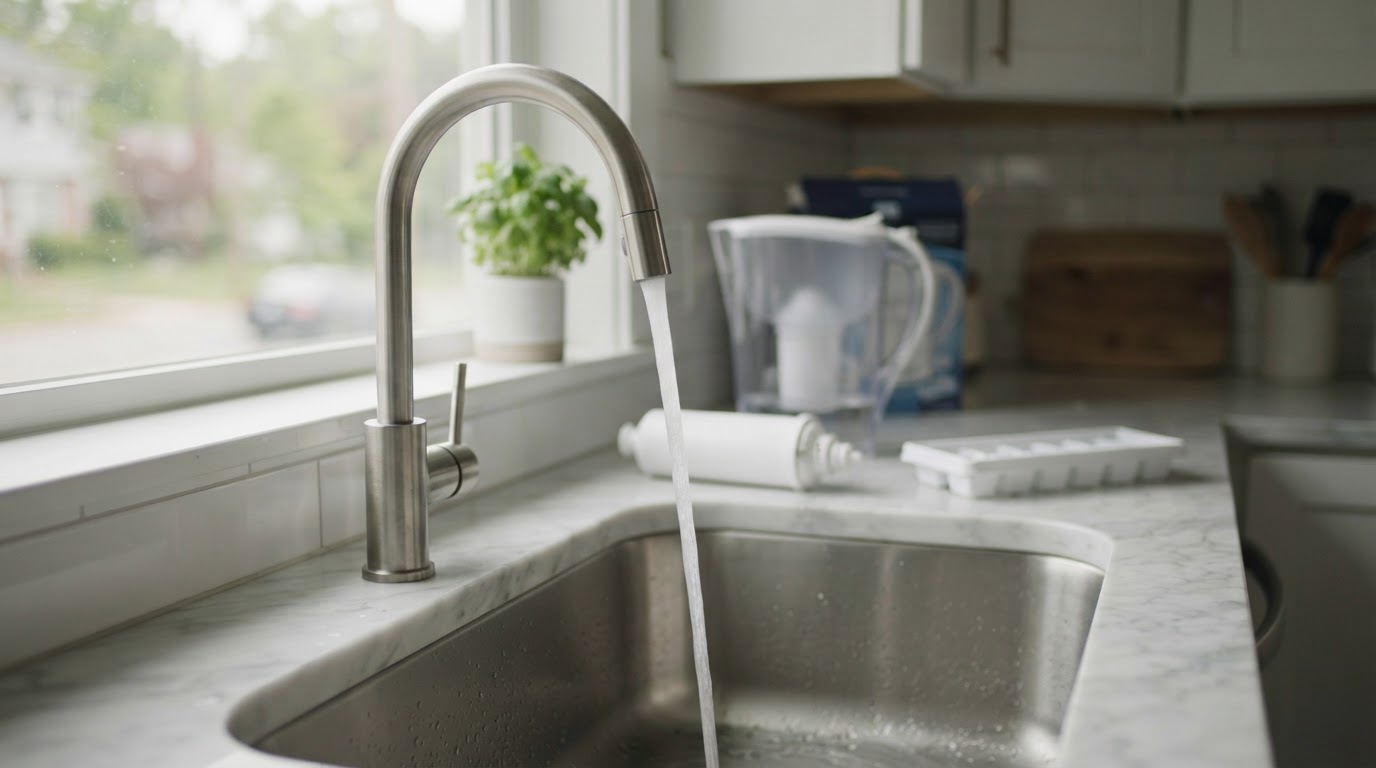
Boil advisory just lifted: flush cold taps 2-3 minutes, rebuild ice, replace filters, drain the water heater, and use boiled water for infant formula.
This article contains affiliate links. If you buy through these links, we may earn a small commission at no extra cost to you.
The utility says the advisory is over, but your plumbing still holds whatever was in the pipes when the order came down. Tap water that was contaminated an hour ago is not automatically safe the moment the all-clear hits the news, and the steps you take in the next hour decide whether your family actually drinks clean water or just confidently contaminated water.
The list of flush-the-taps-and-replace-the-filters steps in our boil water advisory guide is the quick version. What follows is the reasoning behind each step, plus the cases the bullet list skips: infant formula, ice makers, water heaters, and the first 24 hours after the lift.
Flush the Cold Taps First
Start with the kitchen tap, the one you'll pour from most. Run cold water (not hot) for two to three minutes, or until the water is as cold as it was before the advisory. Cold water runs straight from the main; hot water runs through a heater that may have been sitting with contaminated water for days. If the tap sputters or the stream looks milky, sediment is in the line. Unscrew the aerator and rinse the screen under a working tap.
Run every cold tap in the house for the same two to three minutes: bathrooms, laundry sink, outdoor hose bib. The reason to do every tap, not just the kitchen one, is that any branch line that held contaminated water can recontaminate the rest of the system when you next use it.
Rebuild the Ice Maker and the Fridge Dispenser
A fridge ice maker that ran during the advisory produced a tray of contaminated ice. The first batch you dump is the easy answer; the real fix is two or three full cycles of fresh ice made AFTER the all-clear, then dumped. Most ice makers take two to four hours per cycle, so budget half a day.
Fridge water dispensers need the same treatment: dispense one to two full pitchers of water to flush the line and the internal tank. The charcoal filter in the fridge is the same trap-the-contamination situation as every other filter in the house, so swap it too. If your fridge has a built-in filter indicator, reset it after the swap.
Replace Every Filter in the House
This is the step most people skip, and it is the one that can undo all the other work. A carbon filter's job during the advisory was to catch bacteria, parasites, and the sediment the contamination event kicked loose. It did that job. The cartridge now holds exactly what you don't want in your next glass of water.
Replace the filter on every filter you have:
- Pitcher filters (Brita, Pur, ZeroWater): new cartridge, then run two full pitchers through and discard
- Fridge dispenser filter: manufacturer recommends every six months, but do it now
- Under-sink reverse osmosis: replace the sediment pre-filter and the carbon post-filter; the RO membrane is more expensive but holds the same contamination
- Whole-home filters at the point of entry: cartridge swap per the unit's manual
- Faucet-mounted filters: new cartridge, run two minutes before drinking
A Brita Large 10-Cup Water Filter Pitcher (about $30, filter included) is the cheapest insurance if you don't already own one, and a six-pack of genuine replacement cartridges (Brita Standard Replacement Water Filters, 6-Pack, about $29) covers roughly a year of swaps at Brita's two-month cadence. The Sawyer Squeeze handles bacteria and protozoa from any non-municipal source and pairs with a backup filter for the next event.
Drain the Water Heater if It Was Used
Hot water was not safe during the advisory unless you'd boiled it first, which means your water heater has been sitting with contaminated water for the duration of the order. Drain and refill it before you trust the hot tap.
The procedure is in the heater's manual, but the standard sequence is: turn off the heater (gas or electric), attach a hose to the drain valve, run the hose to a floor drain or outside, open the valve and let it run until the water comes out clear. Close the valve, remove the hose, refill the tank by running a hot tap somewhere in the house until water flows steadily, then relight or re-engage the heater. Plan on an hour for a standard residential tank.
If you didn't run hot water during the advisory (low-use household, only used cold), the heater is still contaminated from the moment the pressure dropped. Drain it anyway.
First 24 Hours: Use Boiled or Bottled Water for Formula and Medical Use
Infants, immunocompromised family members, and anyone on a medical device that uses tap water (CPAP humidifier, dialysis, nebulizer) get extra caution. Boil or use bottled water for infant formula for the first 24 to 48 hours after the lift, even if your utility says taps are safe. The reason is simple: utilities lift advisories on passing test samples, and a single sample is not a guarantee for the entire distribution system on the first day.
CPAP and nebulizer users should use distilled or previously boiled water in the humidifier chamber for the same window. A Sawyer Squeeze or a Grayl GeoPress covers anyone in the house whose drinking water has to be virus-rated.
Quick Recommendations
- Best filter for the next advisory's aftermath: Sawyer Squeeze Water Filtration System, virus-rated when paired with purification tablets. The cartridge is disposable so contamination has nowhere to hide.
- Best backup water storage while you wait for taps to be safe: Reliance Aqua-Tainer 7 Gallon Water Container…, 7 gallons per jug, food-grade, no flavor.
- Best purification tablet to drop in tap water as extra insurance: Aquatabs 49mg Water Purification Tablets (30 Pack), iodine-free, neutral taste, kills viruses in 30 minutes.
If you'd rather not assemble the backup yourself, the Drink pack covers it: filter, storage, and tablets in one place, so the next advisory is a plan instead of a store run.
The advisory ending is the halfway point, not the end. Flush the pipes, replace the filters that did their job during the order, drain the heater, and treat the first day of taps like they're still under advisory for anyone vulnerable. Do that and the next boil notice is a weekend inconvenience, not a health event.
Frequently asked questions
How long should I run each tap after a boil advisory is lifted?
Run cold taps for 2 to 3 minutes, or until the water feels as cold as it did before the advisory. Hot taps need 5 minutes because the water has to flush through the heater and the pipes feeding it. If a tap barely runs, the screen is likely clogged with sediment. Unscrew the aerator and rinse it under the kitchen tap before you call it done.
Do I really need to replace every water filter in the house?
Yes. Filters are designed to catch what the boil protects against: sediment, bacteria, and parasites from the contamination event. The cartridge is the contamination. Pitcher filters, fridge filters, under-sink RO membranes, and whole-home filters all need to be swapped; a single old cartridge can keep recontaminating your drinking water for weeks.
Is tap water safe for infant formula right after the advisory lifts?
Not yet. The first batches after a lift are the riskiest, and infants are the most vulnerable. Use bottled or previously boiled water for formula for at least the first 24 to 48 hours after the all-clear, even if your utility says taps are safe.