
Honolulu Fuel Spill: 400,000 Gallons, EPA Probes
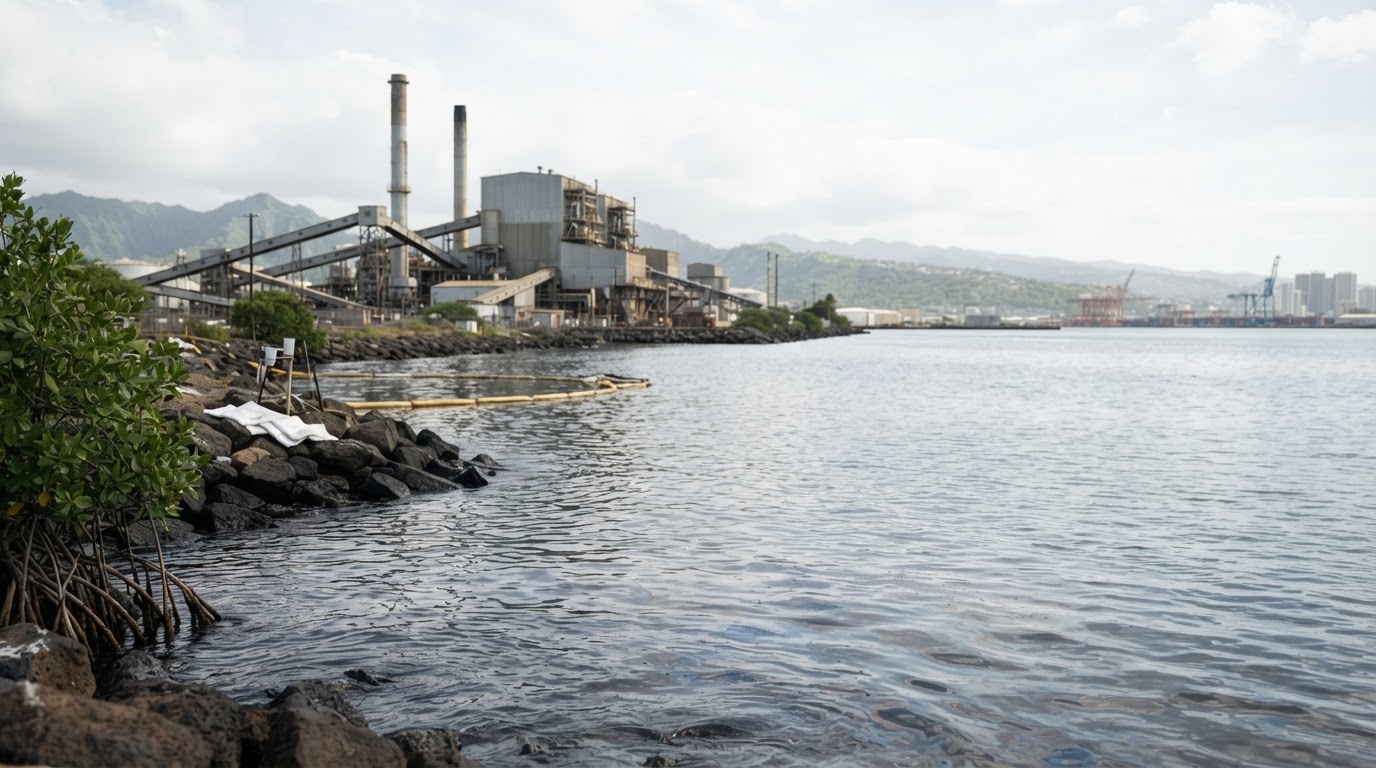
Honolulu H-POWER plant leaked 400,000 gallons of diesel, hidden for months. What Oahu residents should do about water, fumes, and the slow years-long cleanup.
This article contains affiliate links. If you buy through these links, we may earn a small commission at no extra cost to you.
Honolulu disclosed this week that more than 400,000 gallons of diesel fuel leaked from the city's H-POWER waste-to-energy plant at Campbell Industrial Park on Oahu. Mayor Rick Blangiardi revealed the size of the spill at a Thursday news conference, and said he had only learned the full number on Tuesday. The plant's operator had known about an initial spill since May, and state officials knew its scale since July, but the public heard nothing until now. The federal Environmental Protection Agency is now investigating.
H-POWER is not some side facility. The city and county own it, contractor Reworld runs it, and it burns much of Oahu's garbage while generating electricity. A fuel release of this size at that kind of site is exactly the scenario emergency guides describe: a hazard found late, still mostly in the ground, with cleanup measured in years.
Who this touches
The closest risk sits with people who live and work near Campbell Industrial Park and the Ewa coast, including families who fish, swim, and bathe in nearby ocean water. Only about 5,000 gallons have been pumped back out so far, and the city council member pushing for hearings says roughly 99 percent of the fuel is still in the ground. Fuel in soil moves. It can spread sideways and downward for months, which is why Earthjustice told the Star-Advertiser it is premature for anyone to declare the environment and public health unaffected.
The rest of Oahu should treat this as a warning shot rather than someone else's problem. Island water systems, island power, and island waste disposal share the same small footprint. When one critical plant hides a 400,000-gallon problem for half a year, the lesson is to harden your own household before the next disclosure lands.
What to do right now
Follow the Hawaii Department of Health, not social media. Check health.hawaii.gov and the EPA for current advisories on water and soil near the plant. No contamination of drinking-water supplies has been confirmed, but with nearly all the fuel still underground, advisories can change. Our boil-water advisory guide explains what advisories mean and what is safe during one, though note that boiling does nothing against fuel. If fuel is ever suspected, the answer is sealed stored water, not boiled tap water.
If you smell fuel or see a sheen, leave and report it. Get people and pets into fresh air first, then call local authorities. Do not start cars, mowers, or generators near the smell, and do not try to mop up fuel yourself. Diesel vapors in an enclosed space are a health and fire risk at the same time. Our chemical emergency guide walks through sealing a room and waiting for the all-clear, and it applies to fuel releases as well as industrial accidents.
Use stored water while questions remain. A standard filter will not save you here: pitcher, straw, and squeeze filters remove germs and grit, not dissolved petroleum. Keep sealed water on hand instead. A six-pack of gallon jugs like the Crystal Geyser Alpine Spring Water, 1 Gallon… (about $26) covers drinking and cooking for a small household for several days. For bigger reserves, a bathtub bladder like the waterBOB Bathtub Emergency Water Storage (about $61) holds up to 100 gallons when a warning lands, and stackable five-gallon containers like the 5-Gallon Stackable Water Storage Containers, 4-Pack (about $120 for four) keep a longer reserve without eating closet space. Our food and water storage guide sizes the full reserve.
Write everything down. Photograph any odors' effects you notice, save receipts for bottled water and filters, and log dates and symptoms. Spill investigations turn into claims processes, and Honolulu is already scheduling public hearings with a disclosure bill on the table. Paper trails filed now are the ones that pay later. Keep copies with your grab-and-go documents, offsite if you can.
What to do this month
Store two weeks of water. Oahu homes should hold one gallon per person per day, and this spill shows why stored water beats tap water you have to question. Fill containers with tap water now, while it is cleared, date them, and rotate every six months.
Learn your shelter-in-place room. Pick one interior room, pre-cut plastic sheeting for its vents and windows, and keep duct tape and towels with it. The chemical emergency guide has the full checklist, and Ready.gov keeps the federal version. Ten minutes of setup now beats a scramble with fuel in the air.
Show up or speak up. Council hearings on the spill are being organized. Even if you live far from Campbell, public pressure is what turns a hidden May leak into a disclosure law. Preparedness is partly gear and water, and partly making sure the next 400,000 gallons get reported in May instead of November.
Frequently asked questions
Is Oahu tap water safe after the H-POWER spill?
Follow the Hawaii Department of Health, not rumors. No drinking-water system contamination has been confirmed, but nearly all the spilled fuel is still in the ground, so keep checking official advisories before you change what you drink.
Will a water filter remove diesel fuel?
No. Standard pitcher, straw, and squeeze filters are built for germs and sediment, not dissolved fuel. If fuel could be in the water, use sealed stored or bottled water until officials clear the supply.
What should I do if I smell fuel near my home?
Leave the area, get into fresh air, and report it to local authorities. Do not run engines or light anything nearby, and do not try to clean up fuel yourself.