
Record King Tides Hit Both Coasts for Thanksgiving
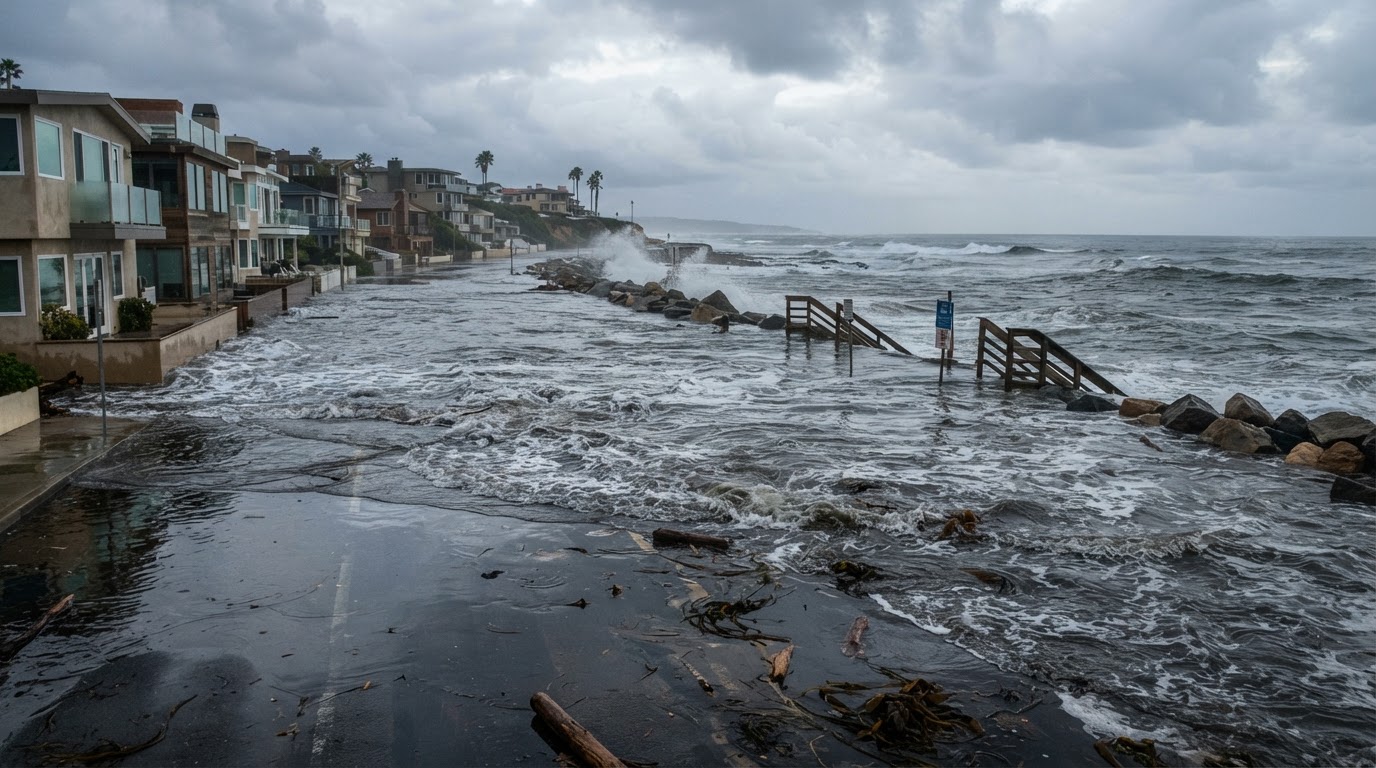
King tides near 1983 records flood California, Oregon, Washington and Florida coasts this Thanksgiving week, with evacuations and ferry cuts. Stay safe.
This article contains affiliate links. If you buy through these links, we may earn a small commission at no extra cost to you.
The ocean is about to reach heights the West Coast has not seen in more than 40 years, and it picked the busiest travel week of the year to do it. King tides peaking Wednesday could come within inches of the all-time record set in San Francisco in January 1983, and a storm arriving at the same time turns high water into street flooding from California to Washington, with Florida's Atlantic coast getting tidal flooding on top of flood recovery.
National Weather Service forecaster Dial Hoang told the Associated Press that Bay Area tides could run 2.8 feet above normal at Wednesday's peak, against a recorded record of 2.9 feet from January 27, 1983. A Coastal Flood Warning runs through Thursday afternoon. That is the highest level of coastal flood alert: flooding is happening or about to happen. Rain Tuesday evening into Wednesday worsens street flooding, and midweek breaking waves of 20 to 30 feet can sweep people off jetties and rocks. The standing guidance lives on the NWS flood safety page and Ready.gov floods, and our flood safety guide walks the full before, during, and after sequence.
San Francisco is treating this as a serious test. Mayor Daniel Lurie warned residents to avoid nonessential travel, with tides over 9 feet peaking at 8:11 Wednesday morning. The Port of San Francisco has staged generators, backup pumps, and sandbags along the Embarcadero. If your route touches the coast anywhere around the Bay, check the NOAA tide predictions the way you would check traffic.
Who is affected, coast by coast
In the Bay Area, Monday's first king tides pushed water across waterfront property on Corte Madera Creek faster than sandbags could hold it back, and police closed streets around Lucky Drive. San Rafael and Belvedere have declared local emergencies, and Belvedere sits under an evacuation advisory from Tuesday through Thursday. San Jose activated emergency operations centers for low-lying Alviso. Move cars off streets that flooded last week. They flood first.
Farther north, Humboldt County ordered evacuations in a small coastal community, telling people to leave by Tuesday morning after buildings flooded Monday. A Weather Service meteorologist there said tides run higher Tuesday after a full day of southerly winds piles surge on top of them. If your county issues a warning, treat it as the order. Record-level water leaves no margin for a second decision.
Oregon and Washington face the same setup through Friday: strong winds and rising surf stacked on high tides, with flooding warnings from the Portland and Seattle weather offices. Washington State Ferries has canceled sailings around extreme tides, which matters because about 300,000 people are expected to ride the ferries over the holiday weekend. Heavy mountain snow slows the passes too, especially Interstate 90 east of Seattle. Check sailing status before driving to the terminal, and carry food, water, and warm layers in case the sailing home runs hours late. Our storm surge explainer covers why wind-driven water stacks higher than the tide table alone suggests.
Florida gets the other half. King tides should flood low areas from Palm Beach to Miami around Wednesday and Thursday morning high tides, just as streets dry out from storms that dropped more than 17 inches of rain in places. The St. Johns River near Cocoa broke a 1953 record last week and stays at least 2 feet above flood stage. Roads that look fine at noon can pond by the evening high tide. Never drive around a barricade. The road beyond it failed somewhere you cannot see.
Traveling this week: build in slack
The Federal Aviation Administration forecasts more than 417,000 flights over the nine-day holiday stretch, the busiest Thanksgiving skies in 16 years, with Tuesday the single busiest day at more than 52,000 flights. When every seat is full, one canceled flight strands you longer. The FAA outlook flags low ceilings on the West Coast, thunderstorms across Florida and the Gulf Coast Tuesday and Wednesday, rain across the Southeast including Atlanta on Wednesday, and rain plus gusty wind reaching the Northeast on Thanksgiving Day. Check your airline's app and current airport conditions before leaving, and skim the FAA holiday travel tips if you fly with food, gifts, or gear.
Drivers should keep the car kit where they can reach it without opening the trunk in the rain: water, snacks, medicines, a flashlight, and a blanket. RESQME Original Emergency Keychain Car Escape Tool The RESQME tool at about $10.95 breaks a side window with one strike and cuts a jammed belt, and it belongs on a keychain, not in a glove box. Most flood deaths happen in vehicles: six inches of moving water can knock a person down, and a foot can carry a car away.
Do this now, wherever water can reach you
Charge everything while power is normal: phones, laptops, rechargeable lights, and the power bank in your bag. Anker Power Bank 10,000mAh USB-C The Anker 10,000mAh bank at about $19.84 refills a dead phone several times, and it belongs in the bag you carry rather than luggage you might get separated from.
Stage the barrier this afternoon, not when water is at the curb. Half-fill sandbags and stack them like brickwork across the doors and garage entries that always take water first, with plastic sheeting behind them. Empty Sandbags 14x26 in Woven Poly with Ties, 50… A 50-pack of woven bags at about $20.99 fills with local soil and covers the openings that matter. Our sandbag stacking guide shows the layout that holds. Put a real alarm on the basement floor. The Basement Watchdog 110 dB Water Alarm (BWD-HWA) The Basement Watchdog alarm at about $13.69 screams at the first inch of water, which beats discovering six inches at midnight. Our flood emergency kit checklist covers the three-day baseline: water, no-cook food, medicines, lights, chargers, pet supplies, and small bills.
One warning for electric vehicle and e-bike owners, earned in last week's flooding: saltwater in a battery compartment can start a fire hours or days after the dunk. If your EV, e-bike, or scooter sat in saltwater, park it away from the house and call the dealer before charging it.
After the water drops, photograph everything before you move it and keep receipts for every cleanup purchase. Storm weeks also breed old flood videos passed off as live and fake aid links that harvest card numbers. Check the Weather Service, your county emergency page, and the tide table, type addresses yourself, and send the family the forecast, not the rumor.
Frequently asked questions
What is a king tide, and why is this one dangerous?
A king tide is one of the highest tides of the year, when the sun and moon line up to pull water levels up. This one lands on top of a super El Nino-warmed ocean and a Thanksgiving-week storm, so water reaches places it normally never touches.
I am flying or driving for Thanksgiving. What should I check?
Check your airline and nasstatus.faa.gov before leaving, and check the tide table for any coastal road on your route. The FAA expects record holiday volume, so a missed connection is harder to rebook than usual.
What is the one thing to do today?
Move anything that cannot get wet off basement and garage floors, and put water, snacks, medicines, a flashlight, and a charger in the bag you carry. Floodwater does not wait for a convenient hour.