
Flood Safety: What to Do Before, During, and After a Flood
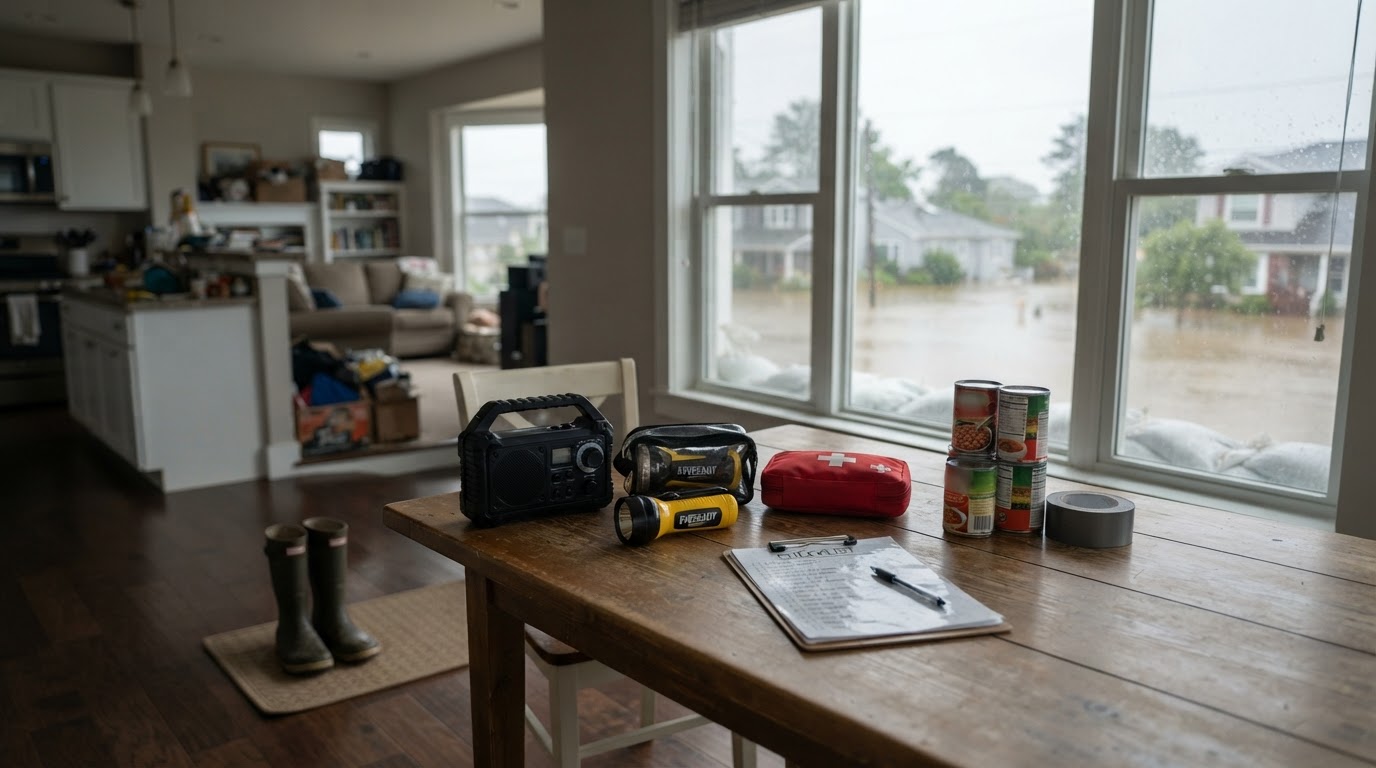
Flood safety starts before the water rises. Learn evacuation triggers, flood insurance facts, and what to do during and after a flood in this 2026 guide.
This article contains affiliate links. If you buy through these links, we may earn a small commission at no extra cost to you.
Floods are the most common natural disaster in the United States. In July, the Texas Hill Country was hit by major floods for the second year in a row, killing two people. Days later, historic flooding swamped New York's Hudson Valley from July 28–30, and early August brought heavy rain to New Jersey. Weeks after the water receded, Cincinnati was still dealing with sewage backups.
Flooding doesn't announce itself like a hurricane. It can arrive in minutes. Here's the flood safety plan you need, before, during, and after the water rises.
Flood Safety: Know the Difference Between a Watch and a Warning
These two words decide whether you should plan or act:
Flood Watch, conditions are favorable for flooding. Review your plan, charge your devices, and move valuables to higher floors.
Flood Warning, flooding is happening or imminent. Act now: move to high ground, follow evacuation orders, and don't drive.
Flash Flood Warning, the most urgent. A flash flood is happening or about to happen. This is the one where people die. Treat it as immediate, life-or-death. The flash flood warning guide covers how to read the alert and how much time you actually have.
The fastest way to get these alerts is a NOAA weather radio. The Midland ER310 Emergency Radio blasts alert tones loud enough to wake you, critical when flooding happens overnight, as it did in the Hudson Valley in July.
How Much Water Is Actually Dangerous?
Two numbers to memorize:
- 6 inches of moving water can knock you off your feet.
- 12 inches of moving water can carry away a car.
| Water Depth | What Happens | Your Move |
|---|---|---|
| 6 inches | Knocks adults off their feet | Never walk into it |
| 12 inches | Floats and carries most cars | Never drive through it |
| 24 inches | Floats trucks and SUVs | Abandon the vehicle if trapped |
| 36 inches+ | Can destroy homes and wash out roads | Evacuate to high ground |
Turn Around, Don't Drown. More than half of flood deaths happen in vehicles. If a road is under water, you can't see if the pavement has washed out. A two-foot-deep stretch can sweep your SUV downstream. Never drive through floodwater, no exceptions.
Evacuation Triggers: When to Leave
Don't wait for an official order if you feel threatened. Leave when any of these is true:
- A flash flood warning is issued
- You live in a floodplain or near a river
- Water has reached your driveway or street
- You see water moving across a road you need
- Officials order an evacuation; they won't say it casually
Decide your triggers before flood season, the same way you plan for hurricane safety. When floodwater is rising, there's no time to debate.
Protect Your Valuables Before the Water Arrives
Take the free steps first:
- Move valuables upstairs, furniture, electronics, photos, and sentimental items. Even 1–2 feet of water can be catastrophic.
- Digitize documents, scan passports, birth certificates, titles, and insurance policies. Store copies in the cloud.
- Keep paper originals in waterproof bags on the highest shelf. The DocSafe Fireproof Document Bag adds a fire- and water-resistant layer.
- Photograph everything, a video walkthrough is your best evidence for a claim.
- Sandbag the low points, sandbags can divert slow-moving water. Fill halfway, stack overlapping. Quick Dam Water Activated Flood Barriers, 5 ft… is the no-shovel alternative. For the full build method, see our sandbag barrier guide.
Flood Insurance: The $25,000 Mistake Most People Make
The fact almost nobody knows until it's too late:
Standard homeowners insurance excludes flood damage. You need a separate flood policy, and it typically takes 30 days to go into effect.
FEMA estimates that just 1 inch of floodwater causes roughly $25,000 in damage to an average home. A flooded basement can easily exceed $50,000. If you're in a floodplain, federal flood insurance is your only realistic safety net. Check with your agent today.
After the water recedes, FEMA's Individuals and Households Program may cover temporary housing, repair grants, and replacement of destroyed essentials, but only if a federal disaster is declared and you register. The step-by-step apply-and-document process is in our FEMA disaster assistance guide.
If your flood ruins supplies, a water storage plan and filtered water will carry you through the aftermath.
During the Flood: What Actually Keeps You Alive
- Get to high ground, upper floors, not attics unless you have an exit. Avoid basements.
- Listen to official instructions on your Midland ER310 Emergency Radio or phone. Cell service can fail; the radio provides an independent alert path.
- Don't walk in floodwater. It's often electrified and always contaminated.
- If trapped in your car, get on the roof and call for help. Don't stay inside once water reaches the door sills.
- Disconnect utilities if safe to do so.
After the Flood: The Second Disaster
The water receding doesn't mean you're safe:
- Don't walk through standing water, it's contaminated and submerged power lines can electrify it.
- Never run generators indoors. Carbon monoxide kills more people in flood and hurricane events than the storms themselves. Keep them at least 20 feet from doors and windows.
- Watch for debris and structural damage, flooded walls can collapse, and mold starts within 24–48 hours.
- Discard food that touched floodwater.
- Drink only safe water, filter or treat if the supply is compromised. The Sawyer Squeeze Water Filtration System filters bacteria and protozoa, and a Reliance Aqua-Tainer 7 Gallon Water Container… gives you clean storage capacity.
- Document damage with photos before cleaning.
Power: The Hidden Flood Threat
Flooding takes down the grid. A 1/3-horsepower sump pump draws close to 1,000W at startup and cycles constantly while water is rising, so a flooded home can drain a backup battery in minutes. That is why the power layer in a flood kit is sized for communication and lighting, not appliances: a EcoFlow RIVER 3 Portable Power Station holds 245Wh, recharges from wall, car, or solar, and keeps your radio, phones, and medical devices running through the whole outage without the carbon monoxide risk of a generator. For the complete flood-shopping list, see our flood emergency kit checklist. If the pump is what protects your basement, see our sump pump power-failure guide for what actually keeps it running through an outage, from battery backup to a generator.
Quick Recommendations
- Stay informed: Midland ER310 Emergency Radio, NOAA alerts loud enough to wake you
- Drink safe: Sawyer Squeeze Water Filtration System, filters flood-contaminated water
- Store clean water: Reliance Aqua-Tainer 7 Gallon Water Container…
- Keep power going: EcoFlow RIVER 3 Portable Power Station
- Buy flood insurance today; by then it's too late
The best flood safety is the prep you finish before the warning siren sounds. Six inches can knock you down, but a few hours of preparation can carry your family through, high, dry, and insured.
Frequently asked questions
What should I do when a flood warning is issued?
Get to higher ground immediately and stay off roads. Move valuables and chemicals upstairs, shut off electricity at the breaker if water threatens outlets, and never walk through moving water.
Is it safe to drive through standing water during a flood?
No. 12 inches of moving water floats most cars and road beds wash out beneath the surface. If your car stalls, abandon it for higher ground.
What should I do after floodwater recedes?
Assume all floodwater is contaminated: wear boots and gloves, photograph everything before cleanup, discard soaked drywall and insulation, and don't re-enter until officials declare the area safe.