
Tornado Safety: Where to Go and What to Do When the Sirens Sound
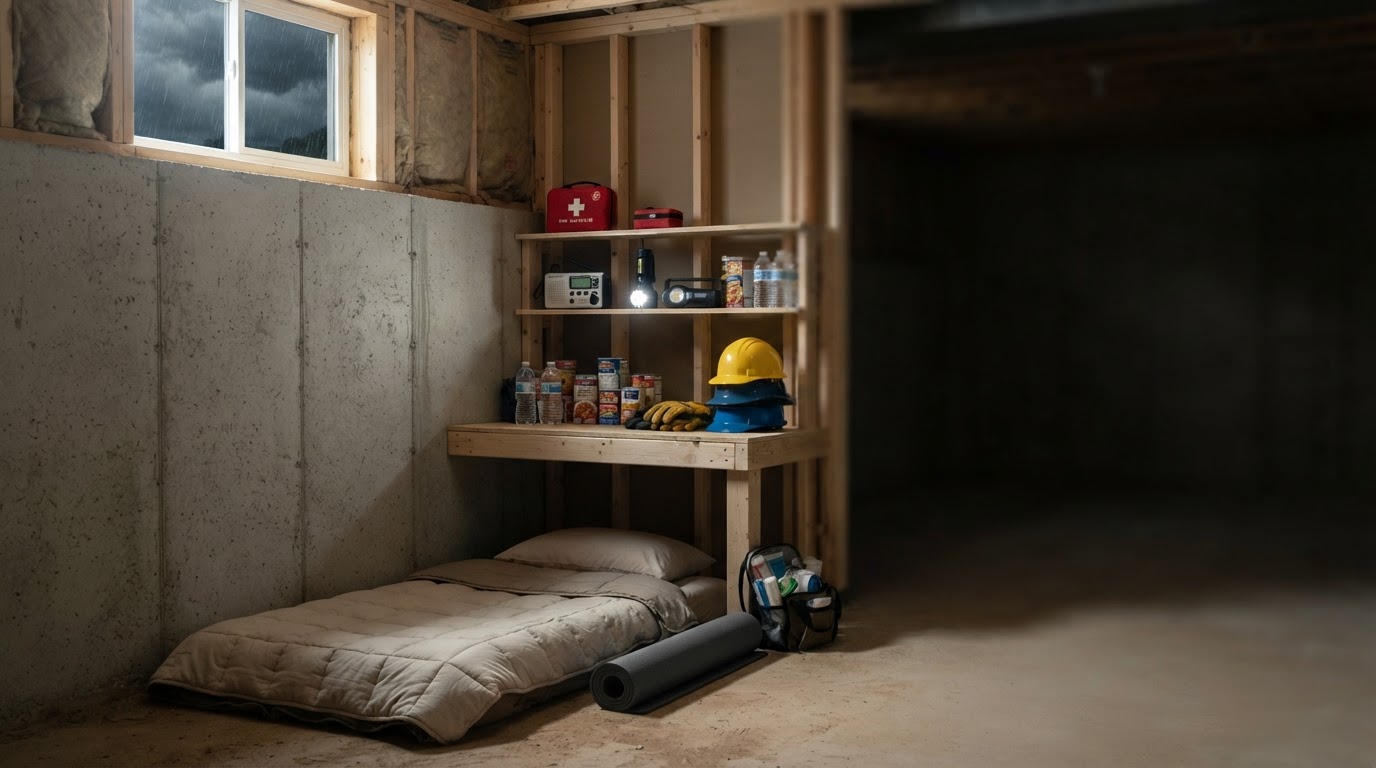
Tornado safety: learn the difference between a watch and a warning, where to shelter in your home, and how to survive a tornado in a car or mobile home.
This article contains affiliate links. If you buy through these links, we may earn a small commission at no extra cost to you.
This year has been brutal for tornadoes. Illinois already recorded 220, the most ever for any state in a single season, and Wisconsin declared a state of emergency after a destructive twister in late July. Tornado Alley is shifting east, with new hotspots across the Midwest and mid-Atlantic, and millions of people who never grew up with tornado drills now live in tornado country.
Tornado Safety Starts With Knowing the Difference: Watch vs. Warning
The single most important thing you can do is know what the alert means. The wrong response wastes precious minutes.
| Alert | What It Means | What You Do |
|---|---|---|
| Tornado Watch | Conditions favor tornadoes. Stay alert. | Monitor updates, charge devices, review your shelter plan. |
| Tornado Warning | A tornado has been spotted or indicated on radar. Take cover NOW. | Move to your shelter immediately. No photos, no window-watching. |
A warning gives you minutes, not hours. Average lead time is around 13 minutes, enough to reach a safe room if you've already decided where that is.
How Tornado Warnings Reach You
Warnings are issued by the National Weather Service and reach you through several channels:
- Outdoor sirens, designed for people outside, not inside with the TV on. Treat them as a last-line signal.
- Wireless Emergency Alerts, the loud, screen-filling alerts that bypass your settings. Keep them on.
- Weather apps and local TV, good for details like path and speed.
- NOAA weather radios, an alert source that keeps working when power and cell fail. The Midland ER310 Emergency Radio is our standing pick: 72+ hours of battery, loud alert tones, and a hand crank.
Phone alerts depend on cell towers that can fail during severe weather. A dedicated NOAA radio gets its signal straight from the National Weather Service.
For most households, a NOAA radio and your phone together are the right combo. If you only buy one, make it the Midland ER310 Emergency Radio: 72+ hours of battery, loud alert tones, and a hand crank as backup. On a budget, the RunningSnail MD-090 Emergency Radio covers AM/FM/NOAA for about $36, perfect for a car kit or spare room.
Where to Go Inside Your Home
If you're at home when a warning sounds, head to the most central, lowest point of your house. Less exterior wall between you and the tornado is better.
- Basement, the best option. Put a wall between you and the tornado's approach, ideally under a sturdy table.
- No basement? Use an interior room on the lowest floor, a bathroom or hallway closet, as close to center as possible. Bathrooms work because plumbing and framing add structure.
- Stay away from windows, all of them. Flying glass is one of the most common tornado injuries.
- Get under something sturdy, a heavy table or mattress, to protect against falling debris.
- Protect your head with a bike or football helmet. Head injuries are a leading cause of tornado fatalities, and a $20 bike helmet is cheap insurance. For the shelter kit, the Pyramex SL Series Hard Hat (HP14010) is the all-households version: ANSI-rated, one size, hangs on a hook by the safe-room door. A pillow or your arms work in a pinch.
You want all of this decided before the sirens sound. Pick your room and practice the drill now.
When the Warning Comes at Night
Night tornadoes kill at more than double the rate of daytime ones, and the gap is mostly a waking problem, not a shelter problem. Sirens are an outdoor system, so the bedroom gets a NOAA weather radio armed with its alert tone and programmed to your county, one that wakes the household on its own when the grid cannot. Stage shoes, a helmet, and a headlamp beside every bed, and walk the shelter route once with the lights off so the 2 AM version is a known path rather than a groggy scramble. The full wake-up and dark-shelter plan lives in our night tornado guide.
Never Stay in a Mobile or Manufactured Home
This rule has no exceptions: get out, even if it's tied down.
Mobile and manufactured homes are the most dangerous place to be in a tornado. They're lightweight, offer almost no structural protection, and can be lifted even by weaker tornadoes. The National Weather Service is blunt: leave for a sturdy shelter or storm shelter. Our mobile home tornado safety guide covers the full decision tree.
If you live in a mobile home, decide your shelter now, not when the warning goes off. You can't afford to spend a 13-minute window driving around looking for one.
What to Do in a Car or Outdoors
No shelter at all? Your options get worse, but they aren't zero.
In a car: drive at right angles to a distant tornado's path if a clear route exists. If it's close, don't try to outrun it. Get out, find a ditch or low-lying area, lie flat, and cover your head with your arms. Vehicles become airborne debris.
Outdoors with no ditch: find the lowest ground you can and lie flat, covering your head. Never shelter under an overpass. Wind accelerates there, and it's one of the most dangerous places to be.
A ditch is miserable, wet, and dirty. It also beats being picked up by a tornado.
The Danger Doesn't End When the Tornado Does
The tornado itself is terrifying, but the aftermath kills and injures people every year. Treat everything as dangerous until proven otherwise. The "EF2" or "EF3" you hear is assigned days later by survey crews reading the debris, not measured during the storm. Our guide to what the EF scale means breaks down the damage behind each number.
- Downed power lines. Assume every wire on the ground is live. Stay away, warn others, report to the utility.
- Natural gas leaks. If you smell gas or hear hissing, leave immediately and call from outside. Don't flip switches or use matches.
- Structural damage. A house that looks fine can have weakened walls or a compromised roof. Enter with caution; wear sturdy shoes and watch for nails and broken glass.
- Water damage and mold. Standing water hides hazards. Outages after tornadoes routinely last days, not hours. Our power outage survival guide covers what comes next.
- Injuries. Many tornado injuries look minor but aren't. Aches, bleeding, or anything that feels wrong deserves real medical attention.
Don't Forget the Alerts That Come Before the Storm
Severe thunderstorm and tornado watches give you hours to check batteries, clear a shelter, and put shoes on everyone. Pair a NOAA weather radio with phone alerts and keep fresh batteries or a hand-crank backup. Our roundup of the best emergency radios helps if you're shopping.
Quick Recommendations
- Best overall NOAA radio: Midland ER310 Emergency Radio, 72+ hour battery, loud alerts, hand crank
- Best budget option: RunningSnail MD-090 Emergency Radio, AM/FM/NOAA for ~$36, great for car kits
- Your shelter decision: pick a basement or interior room now, not when the siren sounds
- If you live in a mobile home: know exactly where your closest sturdy shelter is today
A plan made ahead of time turns a terrifying warning into a routine drill. Decide your shelter, test your radio, and practice. That's tornado safety.
Frequently asked questions
What should I do during a tornado warning?
Go immediately to the lowest floor, smallest interior room, a bathroom or closet near the center of the house. Get under something sturdy, cover your head (a bike helmet or mattress), and stay away from all windows until the warning expires. Do not waste time opening windows.
What do I do if I'm in a car during a tornado warning?
If the tornado is distant and traffic allows, drive at right angles away from its path. If it is close or debris is flying, abandon the car for a sturdy building; as a last resort, lie flat in a low ditch covering your head, staying in the vehicle is more dangerous than either option.
What's the difference between a tornado watch and a warning?
A watch means conditions could produce tornadoes, review your plan and stay alert for hours. A warning means one has been spotted or indicated on radar, take shelter immediately. Watches are hours; warnings are minutes.