
Tornado Watch vs Warning: What's the Difference and What to Do
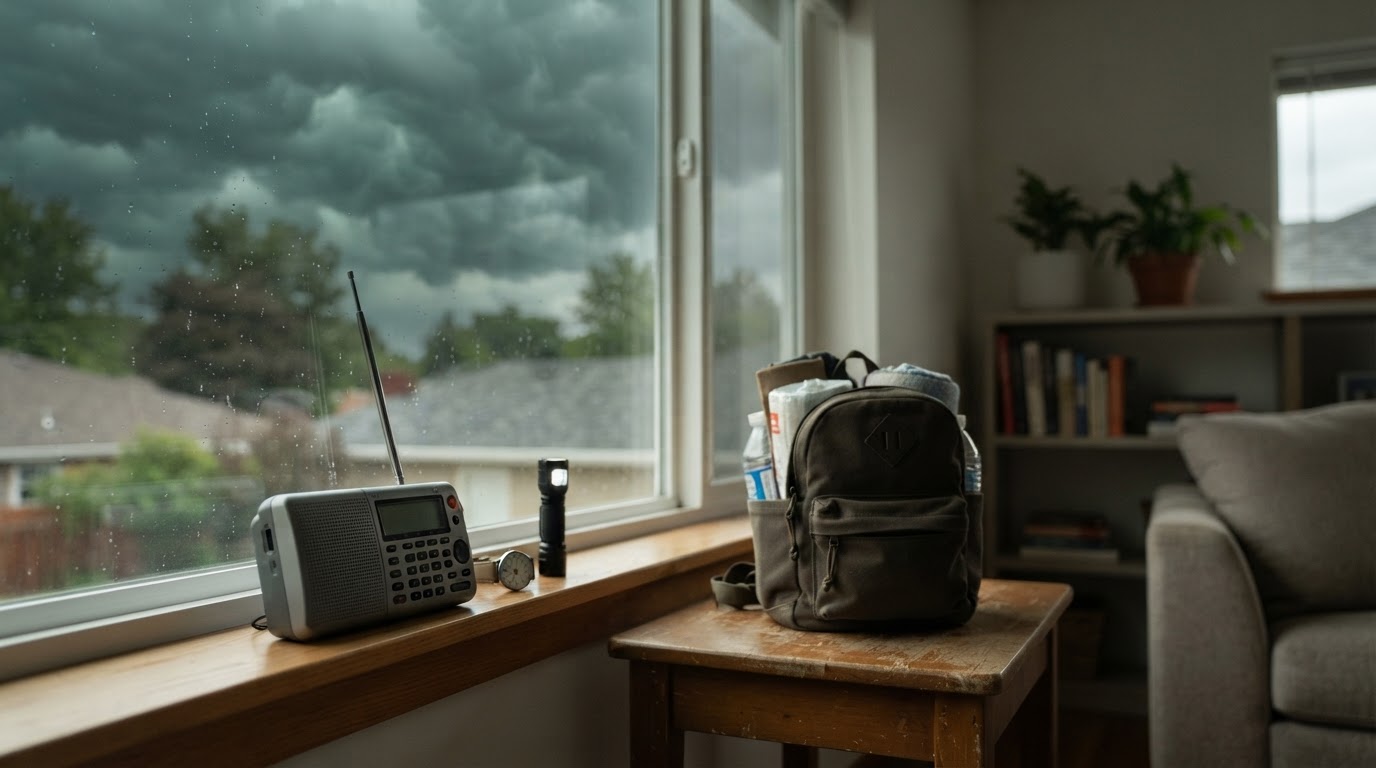
Tornado watch vs warning: a watch means tornadoes are possible, a warning means one is imminent. Learn how warnings reach you and what to do at each level.
This article contains affiliate links. If you buy through these links, we may earn a small commission at no extra cost to you.
A tornado watch means tornadoes are possible in your area, be ready, review your plan, and stay alert. A tornado warning means a tornado is imminent or already happening, take shelter immediately. Tornado watch vs warning: one asks you to prepare; the other demands you act.
2026 is shaping up to be a record tornado year. National Weather Service counts put Illinois past 220 confirmed tornadoes, far beyond its old record of 142, and Pennsylvania at about four dozen for the summer. Wisconsin's governor declared a state of emergency in late July after an EF3 tornado hit the Fox Cities, and the traditional Tornado Alley keeps shifting east. If you live east of the Mississippi, you need to know this distinction cold.
Tornado Watch vs Warning: What's the Difference?
The difference comes down to time and certainty.
| Watch | Warning | |
|---|---|---|
| Meaning | Conditions are favorable for tornadoes | A tornado is happening or imminent |
| Issued by | NWS Storm Prediction Center | Your local National Weather Service office |
| Lead time | Hours (usually issued 4–8 hours ahead, per NWS) | Minutes (13 on average per NOAA, sometimes zero) |
| Your action | Prepare: charge, plan, listen | Act: shelter now, no hesitation |
| Frequency | Common during severe weather | Rare, but the ones that matter most |
What a Tornado Watch Means
A watch is a heads-up, not a call to panic. The atmosphere is primed for tornadoes, so your job is to get ready while there's still time:
- Charge your phone and any power banks.
- Review your plan and confirm your tornado safe room is clear.
- Move loose outdoor items, chairs, grills, trash cans, inside.
- Turn on your NOAA weather radio and keep it on, a hand-crank model like the RunningSnail MD-090 Emergency Radio works when cell service and grid power are unavailable.
- Put on sturdy shoes and set out helmets for everyone.
Watches are issued hours ahead and cover a large area, often several counties. Not every watch produces a tornado, but the ones that do start exactly like this.
What a Tornado Warning Means
A warning means the National Weather Service has detected a tornado on radar or a spotter has confirmed one on the ground. NOAA puts the average warning lead time at 13 minutes, and sometimes there's no lead time at all. There is nothing to prepare at this point; there is only shelter:
- Move to your safe room or the lowest floor, interior, windowless room.
- Helmet on, shoes on, and cover yourself with a mattress or blankets.
- Do not chase, film, or drive toward it, and never shelter under an overpass.
- Stay put until the NWS cancels the warning. Sirens do not signal the all-clear.
For a full room-by-room sheltering plan, see our complete tornado safety guide.
How Tornado Warnings Reach You
- Outdoor warning sirens, designed for people outside. If you hear one, go inside and get more information; it is not an all-clear signal.
- NOAA Weather Radio and NWS alerts, one source that can work when power is out and local cell service is unavailable. Alerts broadcast automatically, even at 3 AM.
- Phone (Wireless Emergency Alerts), WEA messages reach your phone with a loud tone. Make sure emergency alerts are enabled in your settings, but don't rely on them alone: towers can fail and notifications can be missed.
- TV and radio broadcasts, local meteorologists will cut into programming, but only if the receiver has power.
Why You Need a Weather Radio
Most alert paths above depend on infrastructure. A NOAA weather radio does not depend on local cell service, internet, or wall power. The Midland ER310 is our top pick: 72+ hours of published battery life, loud alert tones, and an SOS beacon, all in one unit.
Our pick: Midland ER310 Emergency Radio, ~$80, the alert radio we recommend first.
On a budget, the RunningSnail MD-090 Emergency Radio covers AM/FM/NOAA for about $36, ideal for a second radio in the basement or go bag. Compare the models in our best emergency radios guide, which uses published specifications and owner reports.
Quick Recommendations
- Your main alert radio: Midland ER310 Emergency Radio
- Budget backup for the shelter: RunningSnail MD-090 Emergency Radio
- Next read: How to build a tornado safe room
- Next read: The complete tornado safety plan
Watch means watch the sky. Warning means get to your safe room. Make sure every person in your house knows the difference before the sirens go off.
Frequently asked questions
What should I do first during a tornado warning?
Take shelter immediately, lowest floor, smallest interior room, away from windows; cover your head. Warnings give minutes, not hours. Do not spend them filming or checking the sky; sirens mean the tornado has already been spotted or indicated.
Can a tornado watch turn into a warning quickly?
Yes. A storm can go from watch conditions to a tornado in minutes. Treat an active watch as pre-shelter: shoes on, helmets staged, radio on, and everyone aware which room they're heading to.
What do I do after a tornado warning expires?
Wait for local all-clear before moving far: lines are down, gas may be leaking, and glass is everywhere. Wear sturdy shoes for the first walk-through, photograph any damage before touching it, and check on neighbors by voice before entering damaged structures.