
Wildfire Home Hardening: Defensible Space and Ember-Proofing in 2026
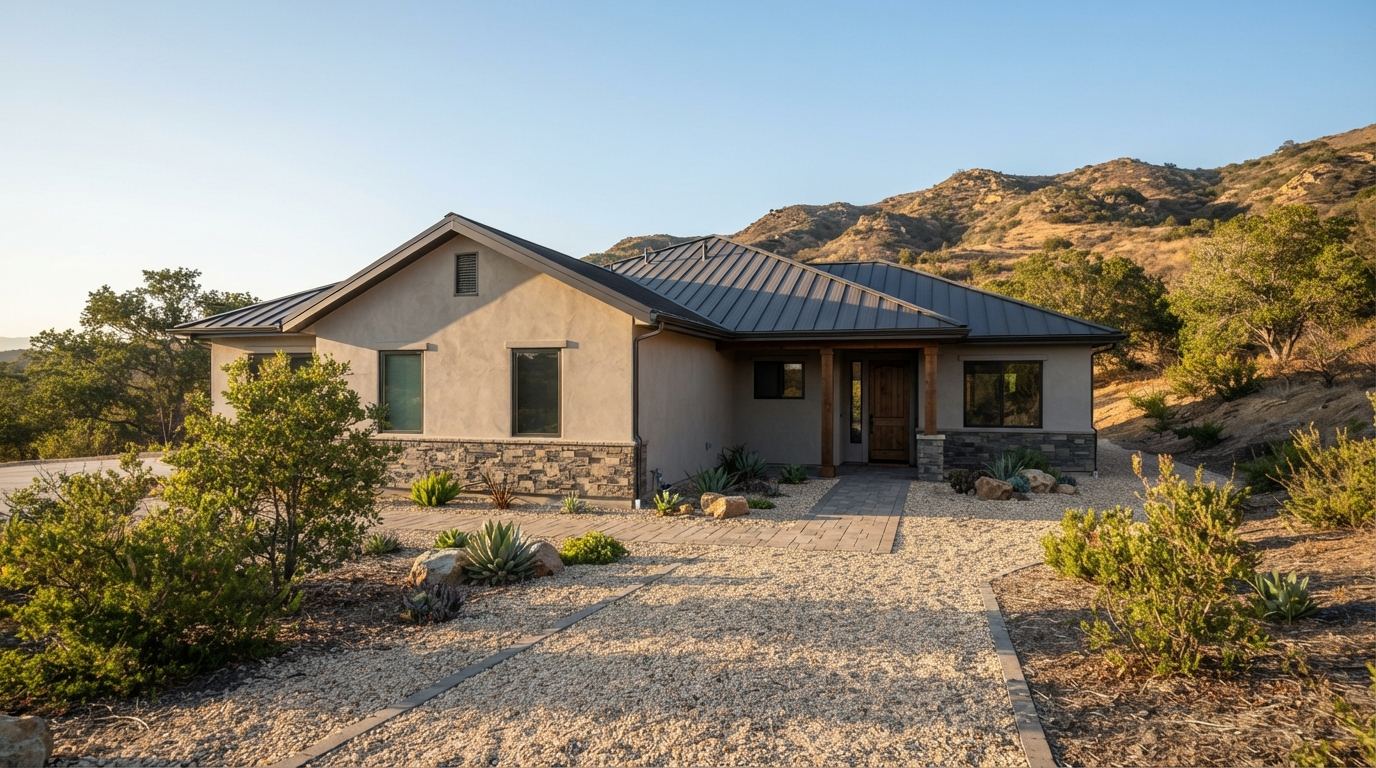
Embers, not the flame front, ignite most homes in wildfires. In 2026, harden yours with a 5-foot Zone 0, vent mesh, and clean gutters. Full guide inside.
This article contains affiliate links. If you buy through these links, we may earn a small commission at no extra cost to you.
The answer up front: if you do one thing to protect your home from wildfire, fix the first 5 feet. That strip around the house, what fire agencies call Zone 0, is where most homes are won or lost. Clear everything combustible from it, fit your attic vents with 1/8-inch metal mesh, and keep your gutters clean, and you have closed off the three main ways embers get in. It is mostly a weekend of yard work, and it matters far more than anything you do when the fire is actually on top of you.
Why Embers, Not the Flame Front, Burn Down Homes
The number that should change how you plan: up to 90% of homes destroyed in wildfires ignite from embers, not direct flame contact. An ember is a burning bit of bark or needle the fire hurls ahead of itself, routinely a mile or more in front of the fire front. One hot ember in a gutter full of dry needles, or sucked through an attic vent into insulation, catches the house from the inside while the main fire is still blocks away.
Everything below is about closing those entry points. Do the work in this order: Zone 0, vents, gutters, roof. Get those four right, and windows, decks, and fences become a bonus round.
Zone 0: The First 5 Feet
Agencies in fire-prone states now split the first 5 feet off from the old 30-foot and 100-foot zones into their own Zone 0, with the most aggressive rules, because it is closest to ignition:
- Replace wood mulch with rock, gravel, or bare soil in the 5-foot strip against walls and decks.
- No doormats, potted plants, or wicker furniture within 5 feet. Bring cushions and mats inside on red flag days.
- Store nothing combustible under the deck or against the siding.
- If your fence meets the house, install a noncombustible metal segment at the house end, or embers on the fence carry fire straight to your wall.
- Move firewood and propane tanks at least 30 feet from the house.
Further out, in the lighter-touch zones: branches clear the roof by 10 feet, shrubs thin out to at least twice their height apart, trees stay 10 feet from the home.
Vents, Gutters, and the Roof: The Ember Entry Points
- Vents. Cover attic, eave, and crawlspace vents with 1/8-inch or smaller metal mesh, not plastic. This is the single most common way homes ignite from the inside: an ember blows in and lands on dry insulation. A 1/8 in. Galvanized Hardware Cloth Vent Mesh Roll… roll covers every vent on most houses with plenty left over; cut each piece an inch oversize and fasten with screws and fender washers.
- Gutters. Clear them before and during fire season, and use metal if you are replacing them anyway. A leaf-filled gutter is a starter log hanging from your roofline.
- Roof. A Class A roof (asphalt shingles, metal, tile) is the best fire defense; if you are re-roofing, the upgrade from Class B to A is one of the highest-dollar wins on the list.
- Eaves. Boxed, enclosed eaves give embers far less to land on than open rafter tails.
Windows, Decks, and Fences
Radiant heat falls off fast with distance and matters most in the closest 30 or so feet. That is why:
- Windows. Double-pane tempered glass resists radiant heat far better than single pane; when a fire gets close enough, glass breaks and embers get a doorway in.
- Decks. An open underside is an ember trap. Box it in or store nothing underneath.
- Fences. A wood fence is a fuse running to your siding; metal at the house end breaks it.
Wet-Down Setup: Power for the Day the Smoke Arrives
Some people in fire country stay and defend, soaking Zone 0, the roof, and the deck when embers start falling. That plan needs power that works when the grid is down, and utilities now cut power deliberately on red flag days. In 2019, Pacific Gas & Electric shut off power to about 2.5 million Californians at the peak of its public safety power shutoffs. Check whether your utility uses similar shutoffs. When the shutoff notice lands, you usually have a day or two to get ready; the hour-by-hour checklist for that window is in our public safety power shutoff guide.
A portable power station like the EcoFlow RIVER 3 Portable Power Station (245Wh) runs a 100W utility pump for about two hours with hoses attached, or keeps your phone, radio, and work lights running for days through a shutoff. Pair it with a real pump like the VIVOSUN 1/10HP Water Transfer Pump with Hose Kit, a 330 gallon-per-hour utility model that comes with its suction hose and strainer, so the intake drops into a pool, hot tub, or rain barrel while the output hose reaches wherever embers land. Test the whole loop once, in daylight, before fire season; the setup you never tested is the one that fails. Fair warning: agencies discourage staying to defend. If you are not set up and ready, leave when the order says "Go."
The Fire-Season Companion Setup
While you take on the yard work, fire season has its own baseline needs; put these three together once:
- Indoor air. On smoke days, stay in with windows shut and run a HEPA purifier like the Levoit Core 300 Air Purifier (141 CFM, filters 99.97% of PM2.5). Our wildfire smoke safety guide covers the clean-air room in detail.
- Alerts. A Midland ER310 Emergency Radio NOAA radio (72+ hour battery) keeps red flag and evacuation alerts coming when power is out and cell service is unavailable. Know what the alerts mean with our red flag warning guide.
- Leaving. Hardening buys time, not safety. When the order comes, follow the wildfire evacuation checklist and go on "Go."
Where to Start: Hardening Projects by Payoff
| Project | Cost | Time | Payoff |
|---|---|---|---|
| Clear Zone 0 (first 5 ft) | $0–50 | One afternoon | Highest |
| Fit vents with 1/8" metal mesh | $20–60 | 1–2 hours | Highest |
| Clean and swap gutters | $0–100 | 30 min, then seasonal | High |
| Move firewood 30 ft away | $0 | 10 minutes | High |
| Trim branches 10 ft off the roof | $0–100 | Half a day | High |
| Class A roof, boxed eaves | $1,000s | Re-roof job | High |
| Double-pane tempered windows | $100s–1,000s | Replacement | Medium |
Quick Recommendations
- Power for shutoffs and wet-downs: EcoFlow RIVER 3 Portable Power Station
- The pump for the wet-down: VIVOSUN 1/10HP Water Transfer Pump with Hose Kit
- Indoor air on smoke days: Levoit Core 300 Air Purifier
- Alerts when the grid dies: Midland ER310 Emergency Radio
Start with Zone 0 and the vents. They are cheap, fast, and they cover the cases that actually burn houses down.