
Flash Flood Warning: What It Means and What to Do Right Now
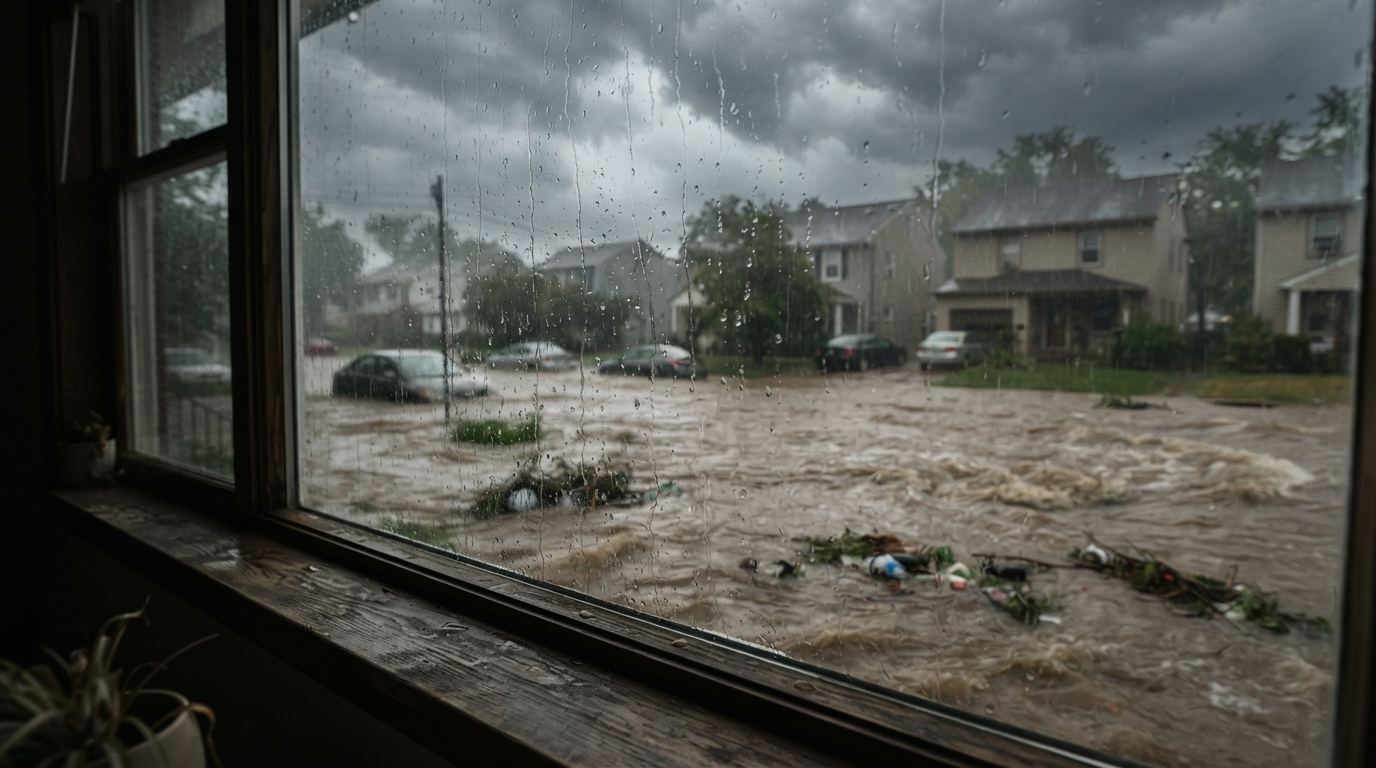
A flash flood warning means flooding is imminent or already happening. Learn what it means, why 6 inches of water can knock you down, and how to survive.
This article contains affiliate links. If you buy through these links, we may earn a small commission at no extra cost to you.
A flash flood warning means flash flooding is imminent or already occurring. Move to higher ground now, and never walk or drive through floodwater. Floods are among the deadliest U.S. weather hazards, and vehicles account for more than half of flood-related drownings.
The warnings are not hypothetical this summer. On August 4, flash flood warnings hit Hampton Roads, Virginia, as storms dumped heavy rain on coastal roads. Just weeks earlier, major flooding returned to the Texas Hill Country for a second straight year. Two people died and more than 200 were rescued. Heavy rain also flooded New Jersey in early August, stranding drivers on submerged highways. If the National Weather Service issues a flash flood warning for your area, treat it like a tornado warning: your window for action is minutes, not hours.
Flash Flood Warning: What It Means and What to Do
Watch vs. Warning, Know the Difference
- Flash Flood Watch: Conditions are favorable for flash flooding. Stay alert, charge your phone, and plan routes to high ground.
- Flash Flood Warning: Flooding is happening or imminent. Move to higher ground now.
A watch means prepare. A warning means execute. Do not wait to confirm the flooding with your own eyes. That is how people get trapped.
Turn a Warning Into a Two-Minute Exit
A warning is not the moment to shop. Use the watch period to make the alert actionable:
- Set two alert paths. Keep the Midland ER310 at home and a RunningSnail MD-090 Emergency Radio (about $36, with AM/FM/NOAA, hand-crank charging, USB output, and a flashlight) in the car or upstairs room. It is a second location, not permission to ignore evacuation orders.
- Protect essentials. Put a phone, ID copies, prescriptions, and keys in an Earth Pak Waterproof Dry Bag, 10 Liter (about $16). It handles rain and splashes, but is not certified for submersion, so keep it above the expected waterline.
- Keep communication powered. The EcoFlow RIVER 3 Portable Power Station has 245Wh and recharges from wall, car, or solar. Use it for phones and radios during an outage; it is a small-load source, not a generator substitute or reason to stay.
- Leave while routes are open. Move a vehicle only if roads are clear and officials have not closed them. Once water crosses the roadway, abandon the route, not your judgment.
For the full four-layer flood shopping list, see our flood emergency kit checklist.
The 6-Inches / 12-Inches Rule
Floodwater is far more powerful than it looks:
- 6 inches of moving water can knock an adult off their feet.
- 12 inches of moving water can carry away many passenger cars.
- 2 feet of moving water can carry away SUVs and pickup trucks.
Every year, more than half of flood-related drownings are vehicle-related. This is why the National Weather Service runs the Turn Around, Don't Drown campaign: if a road looks flooded, it is. Turn around and find another way.
Where Flash Floods Strike
Flash flooding does not happen evenly. The danger zones:
- Low spots and dips in roads and parking lots
- Underpasses, which can fill quickly and leave no room to turn around
- Dry washes and arroyos, a storm miles upstream can send a wall of water down a canyon that looks bone-dry
- Low-lying areas near creeks, streams, and storm drains
- Paved areas where runoff has nowhere to go
If You're Inside
- Get to the highest level of your home, second floor or higher. If you have a one-story home, climb onto the roof only if water enters and it is the last option.
- Move essential supplies (water, medicine, documents) upstairs before the water arrives.
- Never enter a basement or ground floor when a flash flood warning is active.
- Unplug appliances and shut off utilities only if you can do so without wading into water.
- Listen to a NOAA weather radio, cell towers can fail. The Midland ER310 Emergency Radio gives you alerts plus a flashlight and SOS beacon when the power goes out.
For the full before/during/after breakdown, read our flood safety guide for before, during, and after.
If You're in a Car
Being trapped in a vehicle is a common way people die in flash floods. If moving water surrounds your stopped car:
- Call 911 and give your location while the phone still works.
- Stay inside if you are trapped in rapidly moving water. Getting out puts you directly in the current.
- Climb onto the roof if water is rising inside. Unbuckle, lower or break a side window if needed, and get on top of the vehicle.
- Stay with the vehicle and signal for help. Do not try to wade or swim to shore.
A spring-loaded punch can break a tempered side window, but it will not reliably break laminated glass. Check the small etching in the corner of your side window before storm season. If that window is tempered, keep a rescue tool within reach rather than buried in the trunk. The RESQME Original Emergency Keychain Car Escape Tool has a carbide punch and a blade for a jammed seatbelt.
After the Water Recedes
- Do not return to flooded areas until officials say it's safe, floodwater hides debris, downed power lines, and sinkholes.
- Assume floodwater is contaminated with sewage and chemicals. Wear boots and gloves, and wash thoroughly. Once officials clear re-entry, knee-high PVC boots such as the CLC Climate Gear R230 Over-The-Sock PVC Rain Boot help keep contaminated water off your skin during cleanup. They are PPE for controlled work, not permission to wade through moving water.
- Be wary of mold, which begins growing within 24–48 hours on wet materials. Our flood recovery and mold safety guide covers drying out and remediating safely.
Quick Recommendations
- Hear the warning in time: Midland ER310 Emergency Radio, NOAA alerts wake you before the water does
- Rule of thumb: a flash flood warning = move up and move now
- Never walk or drive through moving water, no matter how shallow it looks
- Prepare today: know your evacuation route to high ground before the next warning
A flash flood warning gives you minutes, not hours. Move to higher ground, stay out of floodwater, and let it pass.
Frequently asked questions
What should I do if a flash flood warning is issued?
Move immediately to higher ground, do not wait to see water. If you are in a canyon or near a river, climb upslope even a few hundred feet. Never walk or drive through flooded roads: 6 inches of moving water can knock an adult down, and 12 inches can float most cars.
What do I do if my car is caught in rising floodwater?
If you are trapped in rapidly moving water, stay inside the vehicle and call 911. If water is rising inside, unbuckle, escape through a side window if needed, and climb onto the roof. Stay with the vehicle and signal for help instead of trying to wade to shore.
How long does a flash flood warning last?
Warnings are typically issued for 2 to 6 hours and expire on their own, but floodwater stays dangerous after the warning ends, washed-out roads, downed lines, and contaminated water remain hazards. Wait for official all-clear before returning.